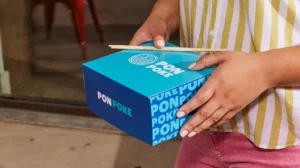
If a customer opens a crushed, water-stained parcel, they don’t blame the courier, they blame you. That’s the quiet, expensive problem shipping boxing mistakes create every single day for small businesses. The good news is that it’s fixable, and the fix is simpler than most people think: better mailer boxes.
This guide breaks down what mailer boxes actually are, how they differ from ordinary shipping cartons, which style fits your product, and how to source custom printed mailer boxes without overspending. Whether you’re searching for a mailer box near me or comparing cardboard mailers online, you’ll leave with a clear buying decision.
What Are Mailer Boxes, Exactly?
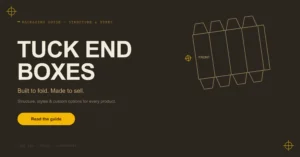
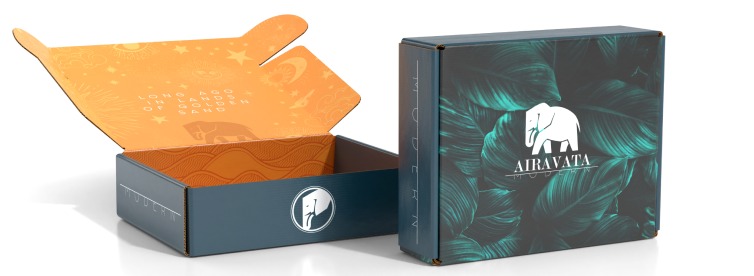
A mailer box is a self-locking, foldable carton, usually made from corrugated cardboard or kraft paperboard, designed specifically for shipping products directly to a customer’s door. Unlike a generic shipping boxes for small business setup that relies on tape and loose-fill packing, most mailer boxes use a Tuck End Boxes style closure, meaning flaps interlock without glue or tape.
That single design choice matters more than people realize. A tuck-end closure:
- Speeds up packing on busy fulfillment days
- Reduces material waste (no tape gun needed)
- Creates a cleaner, more premium unboxing moment
- Holds its shape better during transit than a taped RSC carton
Semantically, a mailerbox sits in the same product family as a box mailer, a custom mailer, and a small mailer, these are all consumer search variations for the same core packaging category, which is why you’ll see the terms used almost interchangeably across suppliers.
Mailer Boxes vs. Bubble Mailers: Which One Do You Actually Need?
This is the question most first-time buyers get stuck on, and it deserves a straight answer.
Custom bubble mailers are padded, envelope-style pouches best suited for soft, non-fragile items, think apparel, soft accessories, or padded stationery. They’re lightweight and cheap to ship, but they offer almost no structural protection. Drop a bubble mailer, and whatever’s inside takes the hit.
Custom mailer boxes, on the other hand, are rigid. They hold their shape under stacking pressure, protect corners and edges, and work for anything with volume, skincare sets, electronics accessories, candles, books, or subscription boxes. If your product has a defined shape or is even slightly breakable, a rigid mailer box is the safer call.
A simple rule of thumb: if you’d feel nervous throwing the package across the room, skip the bubble mailer.
Why Custom Mailer Boxes Are Worth the Upgrade
Plenty of brands stick with plain brown cartons because they assume custom packaging is expensive or slow to source. That assumption is outdated. Digital printing has made custom printed mailer boxes accessible even for small order runs, and the return on investment shows up fast.
Stronger Brand Recall
Personalized mailer boxes turn a routine delivery into a branded touchpoint. A logo, a color palette, or a printed thank-you message on the inside flap costs very little but sticks in a customer’s memory far longer than an unmarked carton.
Fewer Damage Claims
Well-fitted custom mailer boxes reduce internal shifting, which is one of the leading causes of in-transit damage. A box that’s the right size for the product, not oversized, not undersized, needs less packing filler and protects better.
Social Proof, for Free
Unboxing videos are still one of the most effective forms of organic marketing. A visually distinct box, whether it’s a blue mailer box, a clean white mailer box, or a natural kraft mailer box, is far more likely to get filmed and shared than a plain shipping carton.
Choosing the Right Mailer Box: Size, Material, and Color
Getting this decision right the first time saves money on reprints and wasted stock. Here’s how to think through each variable.
Size
Measure your product at its widest points, then add roughly half an inch of clearance on each side for padding. Too much empty space inside the box is actually a bigger risk factor than a snug fit, it gives products room to shift and collide during transit.
Material
- Corrugated cardboard — best for heavier items, longer shipping distances, or anything that needs stacking strength.
- Kraft paperboard — lighter, more cost-effective, ideal for smaller or mid-weight products where a natural, eco-friendly look matters.
Color and Finish
Customizable mailer boxes are typically available in a handful of base colors before printing, commonly black mailer boxes for a premium, minimal aesthetic, white mailer boxes for a clean, print-ready canvas, or unbleached kraft mailer boxes for a natural, sustainable feel. The base color you choose will affect how vibrant your printed logo or design looks, so it’s worth requesting a sample before committing to a bulk order.
Image alt text suggestion: “black mailer box with gold foil logo next to a white kraft version”
Sourcing Options: Local vs. Online Custom Boxes Suppliers
Typing mailer box near me into a search engine usually returns a mix of local print shops and packaging distributors. Local suppliers can be useful for small, urgent orders or when you want to physically inspect box stock before printing. But for most small businesses, ordering custom boxes online from a specialized packaging manufacturer offers better pricing at scale, more finish options (matte, gloss, foil, spot UV), and design proofing before production.
When comparing suppliers, ask about:
- Minimum order quantities
- Turnaround time for custom printed mailer boxes
- Whether they offer free design templates or die-line files
- Sample kits before a full production run
Sustainability: A Content Gap Most Competitors Skip
Most guides on this topic talk about design and pricing but rarely address end-of-life impact, and that’s a gap worth closing here. Corrugated cardboard mailers and kraft mailer boxes are both widely recyclable through standard curbside programs, provided they’re free of plastic laminate coatings or excessive tape. If sustainability is a selling point for your brand, look specifically for suppliers offering uncoated, water-based ink printing, since glossy laminated finishes are harder to recycle and can disqualify a box from standard paper recycling streams.
This is also where shipping boxing decisions intersect with customer trust: a growing share of online shoppers actively check whether packaging is recyclable before making repeat purchases from a brand.
Frequently Asked Questions About Mailer Boxes
What’s the difference between a mailer box and a regular shipping box? A mailer box is purpose-built for direct-to-customer shipping, typically with a tuck-end closure and often printed with branding. A regular shipping box (like an RSC carton) is a more generic, tape-sealed container often used for bulk or business-to-business shipments.
Are custom mailer boxes more expensive than plain boxes? Not significantly, especially at moderate order volumes. Digital printing has lowered the cost gap, and many suppliers offer customizable mailer boxes starting at a few hundred units without a major price jump over plain stock.
Can mailer boxes be recycled? Yes. Standard corrugated and kraft mailer boxes are recyclable through most municipal paper recycling programs, as long as they’re free of plastic lamination, excess tape, or non-paper fillers.
What size mailer box should I order for small products? For small items, a small mailer in the 6″x4″x2″ to 9″x6″x3″ range typically covers most jewelry, cosmetics, and accessory shipments. Always measure your actual product before ordering in bulk.
How long does it take to get custom printed mailer boxes made? Turnaround varies by supplier, but standard production for custom printed mailer boxes typically runs two to three weeks after design approval, with rush options available from many manufacturers.
Final Thoughts: Don’t Let Packaging Be an Afterthought
Every unboxed parcel is a moment your customer forms an opinion about your business, before they’ve even touched the product inside. Switching from generic shipping boxes for small business operations to well-fitted, well-branded mailer boxes is one of the lowest-cost, highest-visibility upgrades a growing brand can make.
Start small if you need to: order a sample run of custom mailer boxes in one size and one color, test them against your actual shipping volume, and scale from there once you see fewer damage complaints and more unboxing shares. The businesses that get this right rarely go back to plain cardboard.
Ready to stop losing customers to crushed corners and bland packaging? Request a free sample kit from a trusted mailer box supplier today and see the difference the right box makes on your very next shipment.