Double Wall Frame Tray

Double Wall Frame Tray

Double Wall Frame Tray packaging starts with the same reinforced, frame style base in every version, a shallow rim structure built from laminated double wall board for extra rigidity, then branches into two distinct finishing choices. A Double Wall Frame Tray & Lid Box uses a fully separate, removable lid, while a Double Wall Frame Tray & Sleeve slides an outer cover over the tray horizontally, like a drawer. Whether you need a Custom Double Wall Frame Tray built around one specific closure style, or you are still comparing your Double Wall Frame Tray Option, this guide walks through both paths clearly.

Get A Custom Quote

Specifications Details
Dimensions
All custom sizes & shapes
Printing
CMYK, PMS, No Printing
Paper Stock
10pt to 28pt (60lb to 400lb) Eco-Friendly Kraft, E-flute Corrugated, Bux Board, Cardstock
Quantities
50 – 500,000,000
Coating
Gloss, Matte, Spot UV
Default Process
Die Cutting, Gluing, Scoring, Perforation
Options
Custom Window Cut Out, Gold/Silver Foiling, Embossing, Raised Ink, PVC Sheet
Proof
Flat View, 3D Mock-up, Physical Sampling (On request)
Turn around Time
7-10 Business Days

One Base, Two Ways to Close It

Every Double Wall Frame Tray begins in the same place, a reinforced base built with a shallow, frame style rim rather than a fully solid, continuous structure, using double wall laminated board to restore the rigidity that open, frame style construction naturally lacks compared to a solid base. Where this structure genuinely branches is at the closure stage, and that branching point matters enough to deserve a direct, side by side comparison rather than treating one closure style as simply the default and the other as an afterthought.This guide walks through both real options in detail, a fully removable Double Wall Frame Tray & Lid Box and a sliding Double Wall Frame Tray & Sleeve, before helping you weigh which Double Wall Frame Tray Option actually fits your specific product and presentation goals.

The Double Wall Frame Tray Foundation

What Makes It a “Frame” Tray

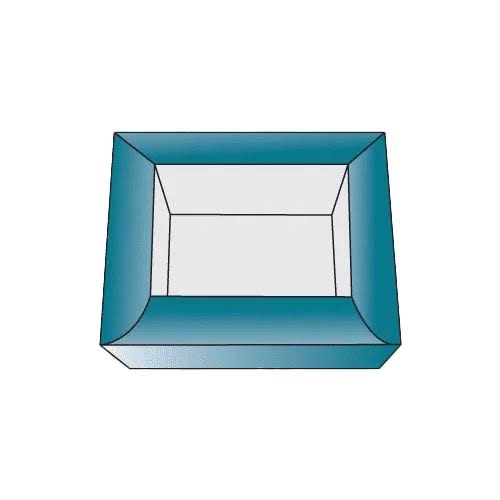
A frame style tray base uses a shallow rim or border structure rather than a full, continuous floor and wall enclosure, often leaving more of the product visually exposed than a fully solid tray would. This is typically a deliberate visual choice, drawing attention directly to the product rather than surrounding it entirely in board.

Why Double Wall Specifically

Because a frame structure uses less continuous material than a solid base by design, it starts with inherently less rigidity. Double wall construction, laminating two layers of board together, restores that structural confidence without abandoning the frame’s intentional openness, which is exactly why this reinforcement method appears so consistently alongside frame style tray construction specifically, rather than being applied evenly across every packaging category.

Option One: Double Wall Frame Tray & Lid Box

A Double Wall Frame Tray & Lid Box pairs the reinforced frame tray base with a completely separate, independent lid, one with no fixed hinge or attachment point connecting it to the base at all. Opening this structure means lifting the lid entirely up and away, revealing the product from directly above in one continuous motion. This closure style tends to suit situations where a clean, deliberate single reveal moment matters, gift presentation, keepsake packaging, and retail products frequently photographed with the lid removed entirely for marketing purposes.

Option Two: Double Wall Frame Tray & Sleeve

How the Sleeve Mechanism Works

A Double Wall Frame Tray & Sleeve takes a genuinely different approach to closure. Instead of a separate piece lifted vertically away, an outer sleeve slides horizontally over the frame tray, similar in motion to opening a matchbox or a drawer, fully surrounding the tray’s sides as it slides into its closed position and withdrawing in that same horizontal direction to open.

A Different Kind of Reveal

This sliding motion creates a meaningfully different presentation pace and feel compared to a lid lift. Where lifting a lid away happens in a single, relatively quick vertical motion, sliding a sleeve open tends to unfold more gradually, often revealing the product incrementally as the sleeve withdraws rather than all at once, which some brands specifically prefer for building a slightly slower, more deliberate sense of anticipation.

A Structural Bonus the Lid Version Doesn’t Get

Here is a longer point worth understanding fully, since it is a genuine structural advantage the sleeve option offers that the lid version simply cannot match. Because a sleeve fully surrounds the tray’s sides when closed, rather than only covering the top the way a separate lid does, a Double Wall Frame Tray & Sleeve design gains an additional layer of lateral structural support precisely where the frame tray’s open, less continuous construction is naturally weakest, meaning the sleeve is not simply an alternative closure aesthetic but actually reinforces the entire structure’s rigidity in a way a top only lid cannot replicate, effectively giving the sleeve version a built in structural advantage on top of its distinct presentation style.

Comparing the Two: Lid vs Sleeve

Reveal Pacing and Ceremony

A lid delivers a quick, complete reveal in one motion. A sleeve delivers a more gradual, unfolding reveal as it slides open, which some brands find better suits a slower, more anticipatory unboxing moment.

Structural Support Differences

A lid covers only the top of the tray, leaving the frame’s sides reliant entirely on the double wall reinforcement built into the tray itself. A sleeve wraps fully around the tray’s sides when closed, adding meaningful additional lateral support beyond the double wall tray construction alone.

Shipping and Stacking Considerations

A Double Wall Frame Tray & Lid Box ships and stores as two genuinely separate components until final assembly, while a Double Wall Frame Tray & Sleeve design’s outer sleeve, once assembled, creates a single, more unified package that some brands find simpler to handle consistently through a fulfillment or retail environment.

Double Wall Frame Tray Option: Choosing What Fits Your Product

  1. Consider your presentation priority. A quick, complete reveal favors the lid, while a slower, more gradual unfolding favors the sleeve.
  2. Think about structural needs. Heavier or larger products may benefit from the sleeve’s additional lateral support beyond what the tray’s own double wall construction provides.
  3. Factor in your photography and display use case. A fully removable lid offers more complete access for product photography than a sleeve that remains partially attached during use.
  4. Weigh your fulfillment and handling preferences. A sleeve design’s more unified, single package structure may simplify handling compared to managing two entirely separate components.

Custom Double Wall Frame Tray: What Customization Adds Across Both Closure Types

Custom Double Wall Frame Tray production applies the same core customizations regardless of which closure style you choose, dimensional sizing matched to your specific product, full color printing or premium finishing across all visible surfaces, and frame width and double wall thickness calibrated to your product’s actual weight and presentation needs. The primary decision that changes between the two paths is simply which closure mechanism, lid or sleeve, gets engineered around that same reinforced frame tray foundation.

Structural Foundations: Tuck End and Custom Boxes

While a Double Wall Frame Tray in either closure configuration is a distinct premium packaging category defined by its frame base and double wall reinforcement, many production and fulfillment programs pair this premium format with more standard structures like Tuck End Boxes for everyday shipping cartons, or draw on the broader Custom Boxes catalog for outer protective packaging when shipping the finished, assembled frame tray to retail or directly to customers.

Materials and Structural Comparison

FeatureDouble Wall Frame Tray & Lid BoxDouble Wall Frame Tray & Sleeve
Opening motionVertical lift, complete in one motionHorizontal slide, more gradual
Lateral side supportRelies on tray’s own double wall constructionAdditional support from sleeve wrapping tray sides
Best suited forQuick, complete reveal, product photographyGradual, anticipatory unboxing experience
Component handlingTwo fully separate piecesMore unified single assembled package

How Custom Double Wall Frame Trays Are Manufactured

  1. Frame base engineering, designing the shallow rim structure common to both closure options.
  2. Double wall lamination, bonding two layers of board together to reinforce the frame’s naturally open construction.
  3. Closure specific engineering, designing either a separately sized, independent lid or a properly fitted sliding outer sleeve.
  4. Material selection and printing, choosing board weight and applying brand artwork or premium finishing to all visible surfaces.
  5. Die cutting and forming, cutting and folding all components to precise, matching dimensions for a clean fit.
  6. Quality inspection, physically assembling sample units to confirm proper fit, whether that means a cleanly lifting lid or a smoothly sliding sleeve.

Ordering Checklist for Custom Double Wall Frame Trays

  1. Decide between a lid and a sleeve closure based on your presentation, structural, and photography priorities.
  2. Confirm your product’s exact footprint and weight, since frame width and double wall thickness both depend on this.
  3. Consider your realistic use case, since both closure types are built primarily around presentation moments rather than everyday repeated access.
  4. Ask your supplier about double wall lamination quality control, regardless of which closure style you choose.
  5. Request a fully assembled physical sample, confirming fit and smooth operation before committing to full production.
  6. Plan for volume pricing if producing this format for an ongoing product line, potentially alongside Tuck End Boxes or broader Custom Boxes for outer shipping protection.

Sustainability and EEAT: Manufacturing Double Wall Frame Trays Responsibly

Customers purchasing premium presentation packaging increasingly expect transparency around the materials behind it. Choosing a manufacturer that sources FSC certified paperboard and uses soy or water based inks supports both environmental responsibility and a brand’s broader sustainability story, a priority tracked broadly by organizations like the Sustainable Packaging Coalition.Our production process for Custom Double Wall Frame Tray packaging, in either lid or sleeve configuration, includes structural prototyping with fully assembled physical samples, Pantone color matching against supplied brand guidelines, and a proof approval stage before full production begins. This process is overseen by packaging engineers and print production specialists experienced in premium presentation packaging standards, drawing on general industry guidance from organizations such as the Institute of Packaging Professionals.

Frequently Asked Questions

  1. What is a double wall frame tray? Double Wall Frame Tray describes a reinforced, frame style base structure with a shallow rim rather than a fully solid enclosure, built with laminated double wall board to restore rigidity that the open frame design naturally lacks.
  2. What is the difference between a double wall frame tray and lid box and a sleeve version? A Double Wall Frame Tray & Lid Box uses a fully separate, removable lid lifted vertically away, while a Double Wall Frame Tray & Sleeve uses an outer cover that slides horizontally over the tray, similar to a drawer or matchbox.
  3. Which double wall frame tray option offers more structural support? The sleeve version generally offers additional lateral support, since the sleeve wraps fully around the tray’s sides when closed, while the lid version relies primarily on the tray’s own double wall construction for side support.
  4. Which closure style is better for product photography? A Double Wall Frame Tray & Lid Box typically works better for photography, since the lid can be removed completely, offering a fully unobstructed view of the product that a partially attached sleeve does not provide as easily.
  5. Why does a frame tray need double wall construction at all? Because a frame style base uses less continuous material than a solid base by design, it starts with less inherent rigidity, and double wall lamination restores that structural confidence without sacrificing the frame’s intentional visual openness.
  6. How do I choose the right double wall frame tray option for my product? Consider your presentation priority, a quick complete reveal favors a lid while a gradual reveal favors a sleeve, your product’s weight and structural needs, and whether product photography or simplified fulfillment handling matters more for your specific use case.
  7. Is a double wall frame tray and sleeve more expensive than the lid version? Pricing can vary depending on specific dimensions and finishing, though the sleeve version’s additional structural material and more involved fit engineering can sometimes affect cost relative to a comparably sized lid version.
  8. What is the difference between double wall frame tray packaging and Tuck End Boxes? Double Wall Frame Tray describes a premium, frame style presentation structure, while Tuck End Boxes describes a standard folding carton closure mechanism, often used for more everyday shipping or retail packaging alongside a premium frame tray product.
  9. How long does it take to produce a custom double wall frame tray? Turnaround depends on the specific closure option and order volume, but standard timelines typically range from a couple of weeks for simpler designs to several weeks for fully custom lid or sleeve production with proof approval.

Choose the Closure That Matches Your Moment

Every Double Wall Frame Tray starts from the same reinforced, frame style foundation, but the way it closes shapes the entire experience of opening it, from the quick, complete reveal of lifting a lid straight up and away, to the slower, more deliberate unveiling of sliding an outer sleeve open like a drawer. Neither option is simply better than the other, they solve different presentation and structural goals, whether that means maximizing photography access with a Double Wall Frame Tray & Lid Box or gaining extra lateral rigidity and a slower reveal with a Double Wall Frame Tray & Sleeve. Understanding your specific Double Wall Frame Tray Option before ordering means your packaging does exactly the job you actually need it to do, not just the job the first design you came across happened to offer.Ready to choose the closure that actually fits how your product deserves to be revealed? Request a free design consultation and prototype quote today, and see how a properly engineered Custom Double Wall Frame Tray can be built around exactly the moment you want to create.

Professional Support

Support throughout the procedure.

Price Friendly

Cost-effective production processes

All At One Station

Exclusive facilities, services, in one place.

Guaranteed Quality

Special concern towards quality.

Need a Sample?

No problem! We can make you a single custom box with your design and dimensions.