Double Wall Frame Tray Lid

Double Wall Frame Tray Lid

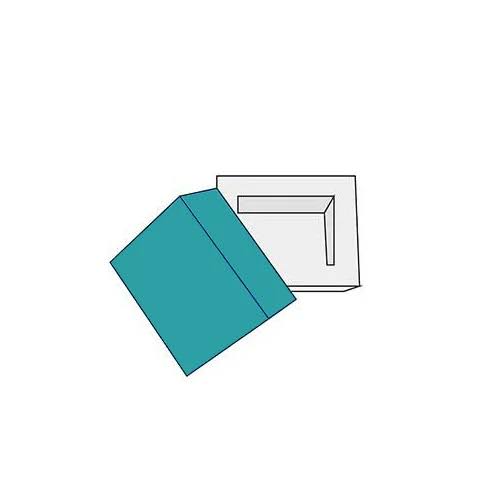
Double Wall Frame Tray Lid packaging separates a box into two fully independent pieces, a reinforced frame style base tray and a lid that lifts completely away rather than swinging open on a hinge. Built from double wall corrugated or paperboard stock for added rigidity, this structure is common across premium presentation boxes, framed keepsake packaging, and specialty retail sets where the moment of lifting the lid away is meant to feel deliberate and considered. Whether you need a Double Wall Frame Tray & Lid design for a single premium product or a Custom Double Wall Frame Tray Lid engineered around a specific presentation piece, this guide explains exactly why this two piece structure earns its place.

Get A Custom Quote

Specifications Details
Dimensions
All custom sizes & shapes
Printing
CMYK, PMS, No Printing
Paper Stock
10pt to 28pt (60lb to 400lb) Eco-Friendly Kraft, E-flute Corrugated, Bux Board, Cardstock
Quantities
50 – 500,000,000
Coating
Gloss, Matte, Spot UV
Default Process
Die Cutting, Gluing, Scoring, Perforation
Options
Custom Window Cut Out, Gold/Silver Foiling, Embossing, Raised Ink, PVC Sheet
Proof
Flat View, 3D Mock-up, Physical Sampling (On request)
Turn around Time
7-10 Business Days

The Lift-Off Reveal: Why Some Boxes Don’t Hinge at All

Not every premium box needs to be opened the same way. A hinged lid swings open on a fixed pivot, more like opening a book or a cabinet door, a motion built for repeated, everyday access over months or years. Double Wall Frame Tray Lid construction takes a genuinely different approach, using two completely separate pieces, a base tray and an independent lid, so that opening the box means lifting the entire lid straight up and away rather than swinging it open on any fixed point.This is not simply a different mechanical choice, it creates a different emotional experience for whoever opens the box. Lifting a lid completely off, revealing a product from directly above in one continuous motion, tends to read as more deliberate and ceremonial than swinging open a hinged door, which is exactly why this two piece structure shows up so consistently in packaging built around a single, considered presentation moment rather than years of casual, repeated use.

What “Frame Tray” Actually Means

Frame vs Solid Base Construction

A frame style tray base differs from a standard solid tray in a specific structural way, rather than a full, continuous floor and walls enclosing the entire product, a frame tray uses a shallow rim or border structure, often leaving the product’s surface more exposed or visible from above than a fully enclosed solid base would. This framing effect is frequently used deliberately, drawing visual attention to the product itself rather than surrounding it entirely in board.

Why a Frame Structure Needs Extra Reinforcement

Because a frame tray uses less continuous material than a solid base, relying on a narrower rim rather than a full floor and wall structure, it naturally has less inherent rigidity to begin with. This is precisely the gap double wall construction exists to fill in this specific product category.

Why Double Wall Construction Specifically Matters Here

Here is a longer point worth understanding fully, since it explains why double wall reinforcement is so consistently paired with the frame tray structure specifically, rather than being a generic upgrade applied to any box style. A solid base tray already has a continuous floor and full height walls working together to distribute weight and resist flexing, meaning it starts from a naturally rigid structural foundation even using standard single wall board. A frame style tray, by contrast, has deliberately less material in its structure, precisely because that openness is part of the intended visual and presentation effect, which means it needs a genuine reinforcement strategy to achieve comparable rigidity, and doubling the wall thickness through laminated double wall construction is one of the most direct ways to restore that structural confidence without abandoning the frame design’s visual openness in the first place, essentially trading raw material volume for laminated material density to get both the visual effect and the physical sturdiness at the same time.

Tray and Lid as Two Independent Pieces: What This Enables

Full Lid Removal for Photography and Display

Because the lid is not attached to the base at any point, it can be removed entirely, a genuine advantage for product photography, retail display, or any situation where a completely unobstructed view of the product matters more than convenient reclosing.

Independent Stacking During Manufacturing and Storage

Since the base and lid are produced and shipped as separate components, they can be stacked and stored independently before final assembly, which can offer manufacturing and warehousing efficiencies compared to a single, pre assembled hinged structure.

No Hinge Means No Hinge Wear Point at All

Unlike a hinged structure, which depends entirely on that pivot point holding up over repeated use, a Double Wall Frame Tray & Lid design has no hinge to wear out in the first place, since there is no fixed connection point between the two pieces to begin with. This is a genuine structural simplicity advantage, though it comes with the tradeoff of not being built around the same repeated, everyday reopening use case a hinged design specifically optimizes for.

Double Wall Frame Tray Lid vs Reinforced Sides With Hinged Top: Two Different Premium Box Philosophies

It is worth directly comparing this structure to a hinged premium box format, since the two solve genuinely different presentation goals despite both sitting at the higher end of packaging sophistication. A hinged, reinforced side structure is engineered around durability across hundreds of repeated open and close cycles, ideal for something like a jewelry box or presentation case meant to be used daily for years. Double Wall Frame Tray Lid construction is engineered around something else entirely, a clean, deliberate single reveal moment, well suited to gifting, keepsake presentation, or retail display situations where the box itself may only be opened once, or occasionally, but that one moment needs to feel exactly right.

Where This Structure Shows Up

Double Wall Frame Tray Lid construction appears most often in categories where a single, considered presentation moment matters more than repeated daily access.
  • Premium gift sets, where a clean lift off reveal reinforces a sense of occasion and care.
  • Framed keepsake and photo packaging, where the frame style base literally echoes the visual framing of the item inside.
  • Certificate and award presentation boxes, where a flat, valuable document benefits from the frame tray’s shallow, supportive structure.
  • Specialty retail sets, particularly for products photographed frequently for marketing purposes, where a fully removable lid supports clean product photography without any hinge or attachment point in the frame.

Custom Double Wall Frame Tray Lid: What Customization Adds

Custom Double Wall Frame Tray Lid production applies the usual layers of customization available across premium packaging categories, dimensional sizing matched to a specific product’s exact footprint, full color printing or premium finishing on both the tray and lid surfaces, and structural refinements like frame width and double wall thickness calibrated to the specific weight and presentation needs of the product inside.

Materials and Structural Comparison

FeatureDouble Wall Frame Tray LidReinforced Sides With Hinged Top
Piece countTwo fully independent pieces, base and lidOne connected structure via a fixed hinge
Designed use caseSingle or occasional presentation revealHundreds of repeated open and close cycles
Base structureShallow frame style rim, less continuous materialTypically solid, fully enclosed base
Reinforcement needDouble wall to compensate for frame opennessReinforced sides to anchor hinge stress

How Custom Double Wall Frame Tray Lid Boxes Are Manufactured

  1. Frame and lid engineering, designing the shallow rim structure of the base tray alongside a separately sized, fully independent lid.
  2. Double wall lamination, bonding two layers of board together to restore structural rigidity lost to the frame tray’s more open design.
  3. Material selection, choosing board weight and lamination adhesive appropriate to the product’s weight and presentation requirements.
  4. Printing and finishing, applying brand artwork or premium coatings to both the tray and lid surfaces independently.
  5. Die cutting and forming, cutting and folding both pieces to precise, matching dimensions so the lid fits the base cleanly.
  6. Quality inspection, physically assembling sample units to confirm the lid fits and lifts cleanly, and that the double wall frame structure holds its shape under normal handling.

Ordering Checklist for Custom Double Wall Frame Tray Lid Packaging

  1. Confirm your product’s exact footprint and weight, since frame width and double wall thickness both depend on this.
  2. Decide how much of the product should remain visually exposed within the frame structure versus more fully enclosed.
  3. Consider your realistic use case, since this structure is built around presentation moments rather than repeated daily access.
  4. Ask your supplier about double wall lamination quality control, given how directly this affects overall structural rigidity.
  5. Request a fully assembled physical sample, confirming lid fit and frame stability before committing to full production.
  6. Plan for volume pricing if producing this format for an ongoing product line, potentially alongside outer Custom Boxes for shipping protection.

Sustainability and EEAT: Manufacturing Double Wall Frame Tray Lid Packaging Responsibly

Customers purchasing premium presentation packaging increasingly expect transparency around the materials behind it. Choosing a manufacturer that sources FSC certified paperboard and uses soy or water based inks supports both environmental responsibility and a brand’s broader sustainability story, a priority tracked broadly by organizations like the Sustainable Packaging Coalition.Our production process for Custom Double Wall Frame Tray Lid packaging includes structural prototyping with fully assembled physical samples to confirm frame rigidity and lid fit, Pantone color matching against supplied brand guidelines, and a proof approval stage before full production begins. This process is overseen by packaging engineers and print production specialists experienced in premium presentation packaging standards, drawing on general industry guidance from organizations such as the Institute of Packaging Professionals. For businesses producing standard shipping cartons alongside this premium format, Tuck End Boxes and the broader Custom Boxes catalog offer a complementary, cost efficient outer packaging solution.

Frequently Asked Questions

  1. What is a double wall frame tray lid? Double Wall Frame Tray Lid describes a two piece box construction, a reinforced, frame style base tray and a fully separate, removable lid, using double wall board to restore structural rigidity that a frame style base naturally has less of than a solid one.
  2. What is the difference between a frame tray and a solid tray base? A frame tray uses a shallow rim or border structure rather than a full, continuous floor and walls, often leaving the product more visually exposed, while a solid tray fully encloses the base with continuous material.
  3. Why does a frame tray need double wall construction specifically? Because a frame style base uses less continuous material than a solid base by design, it starts with less inherent rigidity, and double wall lamination restores that structural confidence without sacrificing the frame’s intentional visual openness.
  4. How is this structure different from a hinged premium box? A hinged box is built around durability across hundreds of repeated open and close cycles, while Double Wall Frame Tray Lid construction is built around a single, deliberate presentation reveal, with the lid lifting completely away rather than swinging on a fixed hinge.
  5. What products commonly use double wall frame tray and lid packaging? This structure is common for premium gift sets, framed keepsake and photo packaging, certificate and award presentation boxes, and specialty retail sets frequently used in product photography.
  6. Can the lid be fully removed from the base? Yes. Unlike a hinged design, the lid in a Double Wall Frame Tray & Lid structure has no fixed connection point to the base at all, allowing complete removal, which is particularly useful for photography or display purposes.
  7. Is custom double wall frame tray lid packaging more expensive than a standard box? Generally, yes, due to the double wall lamination process and the more involved manufacturing required to produce two precisely matching, independent pieces rather than one connected structure.
  8. Does a frame tray design work well for heavier products? It can, provided the double wall reinforcement and frame width are engineered specifically around the product’s actual weight, since a frame structure inherently offers less material support than a fully solid base.
  9. How long does it take to produce custom double wall frame tray lid boxes? Turnaround typically takes longer than a standard single wall carton, given the double wall lamination process and physical sample verification this structure benefits from, with standard timelines ranging from a couple of weeks for simpler designs to several weeks for fully custom production with proof approval.

Build the Reveal, Not Just the Container

Some boxes exist to be opened a thousand times, and some exist to be opened exactly once, in a way that feels considered from the very first lift of the lid. Double Wall Frame Tray Lid construction is built specifically for that second kind of moment, using a fully independent lid and a reinforced, intentionally open frame base to create a clean, deliberate reveal rather than optimizing for years of casual, repeated access. Whether you are packaging a premium gift set, a framed keepsake, a certificate worth presenting properly, or a retail product meant to photograph beautifully with its lid removed entirely, this structure earns its double wall reinforcement by giving a frame style design the rigidity it would otherwise lack. From a straightforward Double Wall Frame Tray & Lid design to a fully Custom Double Wall Frame Tray Lid engineered around your specific product, this format proves that sometimes the most important design decision in packaging is knowing exactly which single moment you are building toward.Ready to give your product the clean, considered reveal it actually deserves? Request a free design consultation and prototype quote today, and see how Double Wall Frame Tray Lid construction can turn the simple act of lifting a lid into a genuine part of your product’s story.

Professional Support

Support throughout the procedure.

Price Friendly

Cost-effective production processes

All At One Station

Exclusive facilities, services, in one place.

Guaranteed Quality

Special concern towards quality.

Need a Sample?

No problem! We can make you a single custom box with your design and dimensions.