Reinforced Sides With Hinged Top

Reinforced Sides With Hinged Top

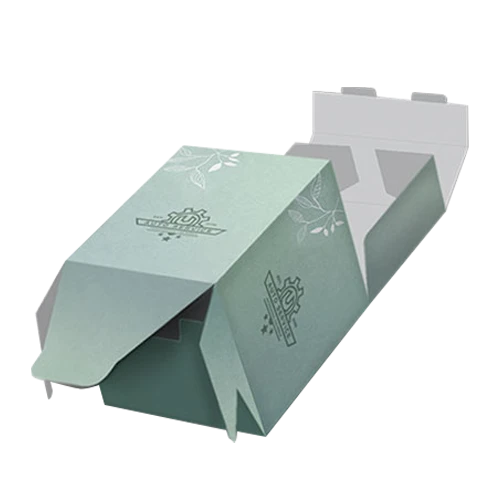
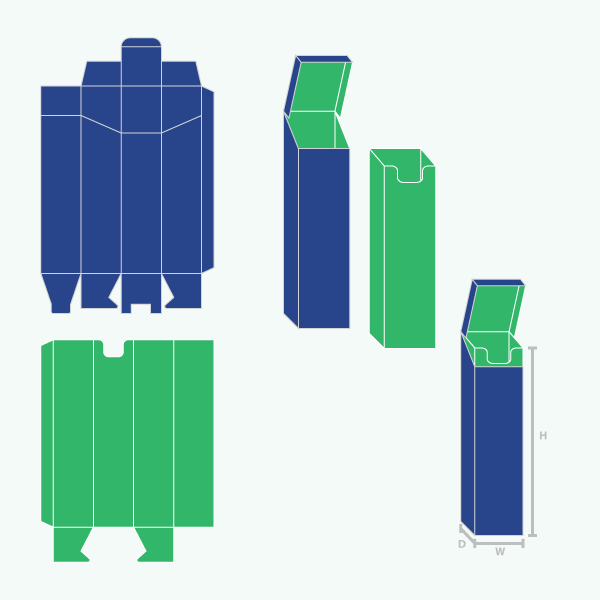
Reinforced Sides With Hinged Top packaging is engineered around long term, repeated use rather than a single opening moment, using a pivoting hinged lid instead of a foldable tuck flap, supported by thicker, reinforced side panels that keep the entire structure rigid through hundreds of open and close cycles. Built from sturdy rigid board and finished with premium printing or coatings, this format is common for jewelry boxes, presentation cases, tech packaging, and gift boxes meant to be kept and reused well after the original purchase. Whether you need Custom Reinforced Sides With Hinged Top packaging engineered around a specific product, or full Custom Reinforced Sides with Hinged Top packaging production for an ongoing product line, this guide explains exactly how this structure differs from a standard folding carton and where it earns its place.

Get A Custom Quote

Specifications Details
Dimensions
All custom sizes & shapes
Printing
CMYK, PMS, No Printing
Paper Stock
10pt to 28pt (60lb to 400lb) Eco-Friendly Kraft, E-flute Corrugated, Bux Board, Cardstock
Quantities
50 – 500,000,000
Coating
Gloss, Matte, Spot UV
Default Process
Die Cutting, Gluing, Scoring, Perforation
Options
Custom Window Cut Out, Gold/Silver Foiling, Embossing, Raised Ink, PVC Sheet
Proof
Flat View, 3D Mock-up, Physical Sampling (On request)
Turn around Time
7-10 Business Days

Built to Open and Close a Thousand Times

Most packaging is designed around a single, defining moment, the first time a customer opens it. A shipping box gets opened once and often discarded. A retail carton gets opened once and typically thrown away shortly after. Reinforced Sides With Hinged Top construction is built for a genuinely different kind of product life, one where the box itself is meant to be opened and closed again and again, sometimes for years, because the packaging has become part of how the product is used, stored, or displayed long after the initial purchase.Think about a jewelry box that gets opened every morning, a presentation case that travels to meetings repeatedly, or a premium gift box a recipient keeps on a shelf and reopens occasionally. None of these situations are well served by a tuck flap closure designed and tested primarily around a single opening event, which is exactly the gap this structure is built to fill.

What “Hinged Top” Actually Means Compared to a Tuck Flap or Lid

The Hinge Mechanism Itself

A hinged top uses a fixed pivot point, commonly created through an integrated fold in the board itself, a fabric hinge, or a reinforced tape hinge, allowing the lid to swing open and closed repeatedly around that same consistent pivot line. Unlike a tuck flap, which relies on the board’s own memory and tension to hold a folded position, a properly engineered hinge maintains a consistent, predictable motion across an enormous number of open and close cycles.

Why Hinges Do Not Wear Out the Way Tuck Flaps Can

A standard tuck flap, opened and closed repeatedly, gradually loses some of its original crispness and holding tension, since each fold slightly stresses the same crease line. This is a completely acceptable tradeoff for packaging meant to be opened once or occasionally, but it becomes a real problem for packaging expected to function reliably after hundreds of uses. A properly engineered hinge, by contrast, is specifically designed to distribute that repeated mechanical stress in a way that does not meaningfully degrade the closure’s function over time, which is precisely why this mechanism, rather than a standard tuck flap, gets chosen for genuinely long term, repeated use packaging.

Why the Sides Need Reinforcement When the Top Has a Hinge

This is the detail that explains why Reinforced Sides With Hinged Top exists as a specific, paired combination rather than two unrelated features bundled together. A hinge concentrates mechanical stress at one specific edge of the box, every single time the lid opens or closes, that same hinge line absorbs the force of the motion. Standard, lightweight side panels are simply not built to anchor that kind of repeated, concentrated stress reliably over hundreds or thousands of cycles.Here is a longer point worth sitting with, since it is the core engineering logic behind why these two features are so consistently paired together in this specific product category. Reinforcing the side panels, typically through thicker board, internal bracing, or rigid setup box construction rather than standard folding carton board, gives the hinge a stable, unyielding anchor point to pivot against, meaning the hinge itself experiences far less structural stress with each use than it would if it were attached to thinner, less rigid side walls that could flex or distort slightly with every opening, and that flex, even if barely noticeable on a single use, is exactly the kind of repeated micro stress that eventually causes a hinge attached to weaker side panels to loosen, tear, or fail entirely well before a properly reinforced structure would show any wear at all.

Reinforced Sides With Hinged Top vs Tuck End Boxes: Single-Use vs Repeat-Use Design Philosophy

It is worth being direct about how fundamentally different the design philosophy behind this structure is compared to a standard Tuck End Boxes carton. A Tuck End Boxes structure is optimized around cost efficiency, fast assembly, and reliable performance across a single, or at most occasional, opening event, which makes it an excellent choice for the vast majority of retail and shipping packaging needs. Reinforced Sides With Hinged Top construction is optimized around something else entirely, structural longevity across genuinely repeated use, accepting a higher material cost and more involved construction process in exchange for a box that performs as reliably on its five hundredth opening as it did on its first.

Where This Structure Shows Up

Reinforced Sides With Hinged Top packaging appears specifically in categories where the box itself becomes a long term functional object rather than disposable packaging.
  • Jewelry boxes, where daily or near daily opening and closing over years is a completely normal expectation.
  • Presentation and sample cases, particularly for sales, cosmetics, or product demonstration purposes where the case travels and gets opened repeatedly during its working life.
  • Premium tech and electronics packaging, where brands increasingly design packaging meant to double as a long term storage or carrying case rather than disposable shipping material.
  • Keepsake gift boxes, where a recipient is expected to keep and reuse the box well beyond the original gifting occasion.

Custom Reinforced Sides With Hinged Top: What Customization Adds

Custom Reinforced Sides With Hinged Top packaging applies the usual layers of customization available across premium packaging categories, dimensional sizing matched to a specific product, full print customization or premium finishing like foil stamping and soft touch lamination, and structural customization adjusting side panel thickness and hinge construction method based on the expected frequency of use over the product’s realistic lifespan.

Custom Reinforced Sides with Hinged Top Packaging: Production Considerations

Producing Custom Reinforced Sides with Hinged Top packaging reliably requires closer attention to a few specific factors than a standard folding carton order would. Side panel board weight needs to be selected specifically to support the hinge’s expected stress load, not just general product protection. Hinge construction method, whether an integrated board fold, fabric hinge, or reinforced tape, needs to be chosen based on how frequently and for how long the box is expected to remain in active use. And quality testing genuinely benefits from repeated open and close cycle testing rather than a single assembly check, since this structure’s entire value proposition depends on performance well beyond the first use.

Materials and Structural Comparison

FeatureReinforced Sides With Hinged TopStandard Tuck End Boxes
Closure mechanismPivoting hinge at a fixed pointFoldable tuck flap, no fixed pivot
Designed lifespanHundreds of open and close cyclesTypically one to a few openings
Side panel constructionReinforced, thicker board or rigid setup constructionStandard folding carton weight
Best suited forJewelry, presentation cases, keepsake gifts, premium techGeneral retail and shipping packaging

How Custom Reinforced Sides With Hinged Top Boxes Are Manufactured

  1. Structural engineering, sizing the box and selecting side panel thickness based on the expected frequency and duration of repeated use.
  2. Hinge construction selection, choosing between an integrated board fold, fabric hinge, or reinforced tape hinge based on durability needs and budget.
  3. Material selection, choosing rigid or heavily reinforced board capable of anchoring the hinge without flexing under repeated stress.
  4. Printing and finishing, applying brand artwork and any premium coatings, accounting for both exterior presentation and interior surfaces visible when the hinge is open.
  5. Assembly and hinge attachment, a manufacturing step requiring more precision than standard folding carton gluing, since the hinge’s long term reliability depends on this stage.
  6. Repeated cycle testing, physically opening and closing sample units many times to confirm the hinge and reinforced sides hold up under realistic long term use before full production begins.

Ordering Checklist for Custom Reinforced Sides With Hinged Top Packaging

  1. Estimate the realistic number of open and close cycles your product will experience over its expected lifespan.
  2. Choose a hinge construction method appropriate to that expected use frequency and your budget.
  3. Confirm side panel board weight is genuinely sufficient to anchor the hinge without flexing over time.
  4. Ask your supplier about repeated cycle testing, not just single assembly quality checks, given this structure’s long term use expectation.
  5. Request a physical sample and test it yourself through dozens of open and close cycles before committing to full production.
  6. Plan for a longer lead time than a standard Tuck End Boxes order, since this structure’s manufacturing and testing process is inherently more involved.

Sustainability and EEAT: Manufacturing Reinforced Sides With Hinged Top Packaging Responsibly

Customers purchasing premium, long term use packaging increasingly expect transparency around the materials behind it, particularly since a box designed to last years should ideally be built from responsibly sourced materials as well. Choosing a manufacturer that sources FSC certified paperboard and uses soy or water based inks supports both environmental responsibility and a brand’s broader sustainability story, a priority tracked broadly by organizations like the Sustainable Packaging Coalition.Our production process for Custom Reinforced Sides with Hinged Top packaging includes structural prototyping with repeated cycle testing to confirm hinge and side panel durability, Pantone color matching against supplied brand guidelines, and a proof approval stage before full production begins. This process is overseen by packaging engineers and print production specialists experienced in premium, long term use packaging standards, drawing on general industry guidance from organizations such as the Institute of Packaging Professionals.

Frequently Asked Questions

  1. What does “reinforced sides with hinged top” mean? Reinforced Sides With Hinged Top describes a rigid box structure using a pivoting hinged lid instead of a foldable tuck flap, supported by thicker, reinforced side panels that anchor the hinge and keep the box rigid through hundreds of repeated open and close cycles.
  2. How is a hinged top different from a tuck flap? A hinged top uses a fixed pivot point designed to maintain consistent motion across many open and close cycles, while a tuck flap relies on the board’s own folding tension, which gradually loosens with repeated use.
  3. Why do the sides need reinforcement if the top has a hinge? The hinge concentrates repeated mechanical stress at one specific edge every time the lid opens or closes, and reinforced side panels give that hinge a stable, unyielding anchor point, preventing the flex and micro stress that would otherwise cause a hinge attached to weaker panels to loosen or fail over time.
  4. What products commonly use reinforced sides with a hinged top? This structure is common for jewelry boxes, presentation and sample cases, premium tech and electronics packaging, and keepsake gift boxes meant to be kept and reused long after the original purchase.
  5. How is this structure different from a standard tuck end box? A standard Tuck End Boxes carton is optimized for cost efficiency and reliable performance across a single or occasional opening, while Reinforced Sides With Hinged Top construction is optimized for structural longevity across genuinely repeated, long term use.
  6. Is custom reinforced sides with hinged top packaging more expensive than a standard box? Generally, yes, due to the reinforced side panel material, the more involved hinge attachment process, and the repeated cycle testing this structure benefits from compared to a standard folding carton.
  7. What types of hinges are used for this packaging structure? Common options include an integrated board fold, a fabric hinge, or a reinforced tape hinge, with the choice depending on expected use frequency, durability needs, and budget.
  8. How is the durability of this structure actually tested? Reliable testing for this structure typically involves physically opening and closing sample units many times to confirm the hinge and reinforced side panels hold up under realistic long term use, rather than relying on a single assembly check.
  9. How long does it take to produce custom reinforced sides with hinged top boxes? Turnaround typically takes longer than a standard tuck end carton, given the additional structural engineering, hinge attachment precision, and repeated cycle testing involved, with standard timelines ranging from several weeks for standard designs to longer for fully custom, high durability production runs.

Package for the Two Hundredth Opening, Not Just the First

Most packaging only has to survive one moment, the first time it is opened, and everything about a standard folding carton is engineered around that single event. Reinforced Sides With Hinged Top construction is built for an entirely different expectation, a box meant to open and close reliably for years, whether that means a jewelry box opened every morning, a presentation case that travels to dozens of meetings, or a keepsake gift a recipient reaches for occasionally for the rest of their life. Getting that right depends on understanding exactly why reinforced sides and a hinged top belong together, since the sides are quite literally what keeps the hinge from failing under the accumulated stress of everyday, repeated use. Whether you need Custom Reinforced Sides With Hinged Top packaging engineered around a specific product, or full Custom Reinforced Sides with Hinged Top packaging production for an ongoing line, this structure is built for the long relationship a customer has with your packaging, not just the first thirty seconds of it.Ready to give your product packaging that holds up as well on its five hundredth opening as its first? Request a free design consultation and prototype quote today, and see how Reinforced Sides With Hinged Top construction can be built to last exactly as long as your product deserves.

Professional Support

Support throughout the procedure.

Price Friendly

Cost-effective production processes

All At One Station

Exclusive facilities, services, in one place.

Guaranteed Quality

Special concern towards quality.

Need a Sample?

No problem! We can make you a single custom box with your design and dimensions.