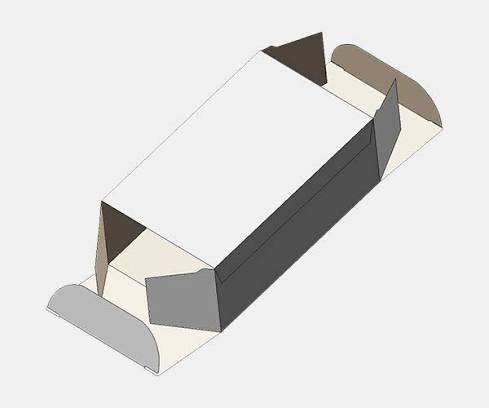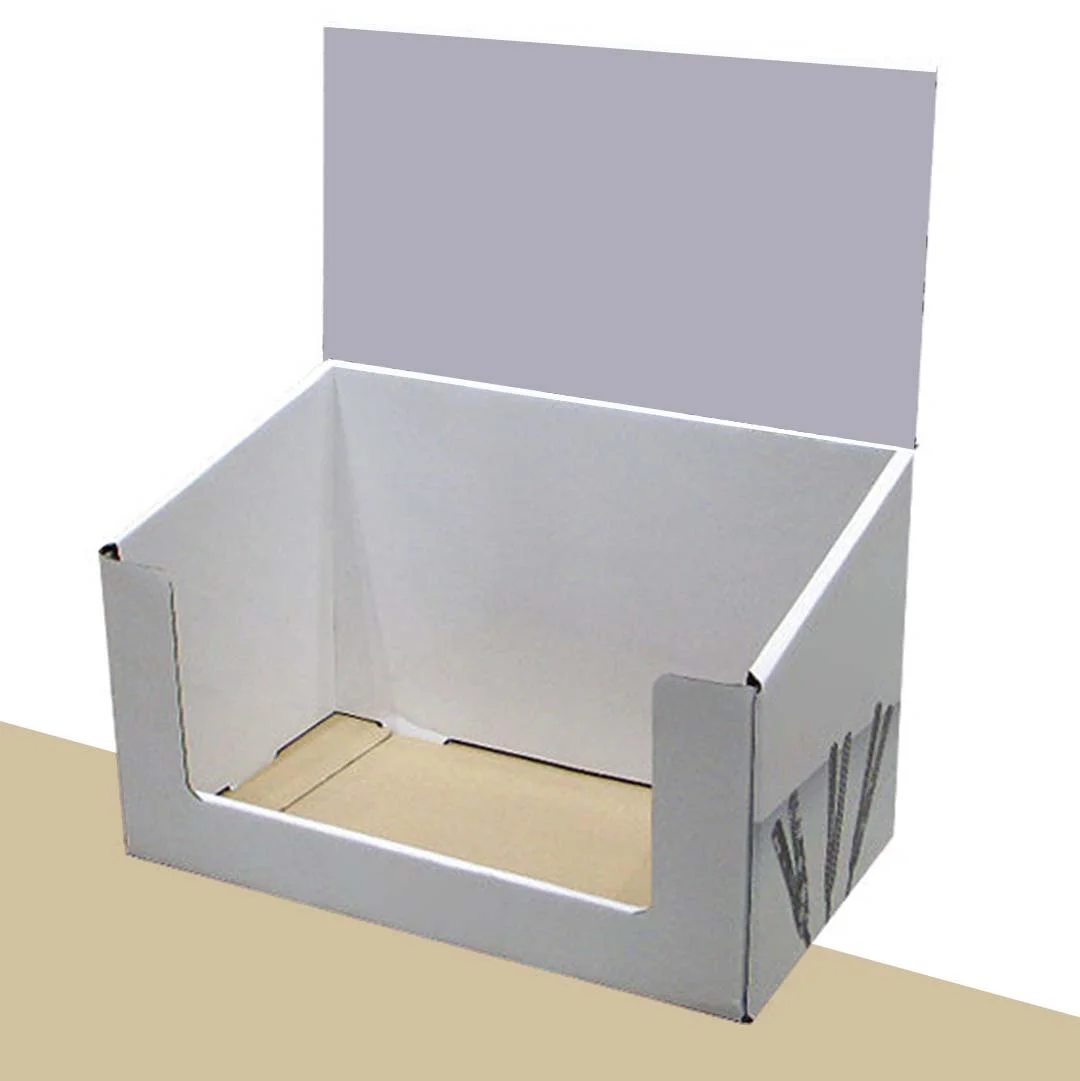
Front Cut Out Display Tray

Front Cut Out Display Tray

Front Cut Out Display Tray packaging ships as a fully sealed, protected carton and converts into an open, shelf ready display simply by removing a pre scored front panel, leaving the product facing outward toward the aisle rather than upward toward a customer looking down into a bin. Built from durable corrugated stock and finished with full color printing, this format is common across grocery, retail, and warehouse club shelving where products need to arrive protected, display attractively, and restock efficiently without ever leaving their original shipping carton. This guide explains the structural and practical logic behind this specific cut out orientation, and what to consider before your next production run.

Get A Custom Quote

Specifications Details
Dimensions
All custom sizes & shapes
Printing
CMYK, PMS, No Printing
Paper Stock
10pt to 28pt (60lb to 400lb) Eco-Friendly Kraft, E-flute Corrugated, Bux Board, Cardstock
Quantities
50 – 500,000,000
Coating
Gloss, Matte, Spot UV
Default Process
Die Cutting, Gluing, Scoring, Perforation
Options
Custom Window Cut Out, Gold/Silver Foiling, Embossing, Raised Ink, PVC Sheet
Proof
Flat View, 3D Mock-up, Physical Sampling (On request)
Turn around Time
7-10 Business Days

Why the Front, and Not the Top

Shipper display cartons that convert into retail fixtures generally choose one of two places to cut away a panel, the top or the front, and that choice is not arbitrary. A Front Cut Out Display Tray specifically removes the front panel, leaving the product oriented outward, facing the aisle the way a customer naturally walks past and glances toward shelving, rather than facing upward the way it would in a top opened bin that a customer has to look down into.This distinction matters more than it might first appear. Products displayed facing outward at roughly shelf height sit directly within a shopper’s natural walking sightline, the same visual zone that traditional shelf stocked products occupy, while a top opened format requires a customer to actively look downward into the container, a small but real additional step that a front facing display simply does not ask for.

From Sealed Shipper to Open Shelf Tray in One Cut

The mechanical logic behind this format is straightforward but genuinely useful. During transit and warehouse storage, the carton remains fully sealed on all sides, offering the same structural protection any standard corrugated shipping box would provide. The front panel is scored or perforated along a specific line during manufacturing, invisible to the product’s protection during shipping but ready to be torn away cleanly the moment the box reaches its retail destination.Once opened, the box requires no repacking, no transfer of product into a separate display fixture, and no additional assembly beyond the single act of removing that front panel. The same carton that protected the product through an entire shipping and warehousing journey becomes the exact fixture that presents it to a customer, with zero handling steps in between.

The Restocking Advantage Nobody Talks About

Here is a benefit of the front facing orientation that gets far less attention than shelf visibility, despite mattering just as much to the retailers actually stocking these displays day to day. Because the open front faces directly out toward the aisle, store staff walking the floor can see at a glance exactly how much product remains in a Front Cut Out Display Tray without needing to pull the tray forward, lift anything, or inspect it closely, simply by looking at it from the same angle a shopper would.This is worth sitting with a bit longer, since it is a genuinely practical operational advantage that a top opened format cannot replicate nearly as well. A top opened bin or tray generally needs to be approached and looked into directly to gauge remaining stock, since its opening faces upward rather than toward the natural walking path of an employee doing a routine shelf check, meaning restocking decisions for a top opened format require an active, deliberate inspection step that a Front Cut Out Display Tray eliminates almost entirely, since remaining inventory is visible passively, from a normal walking distance, at the same moment a stocker notices the display at all. For high turnover retail environments where staff are managing dozens or hundreds of individual product facings across a single shift, this passive visibility advantage compounds into real, measurable time savings over the course of a stocking route.

Structural Considerations: What Keeps a Front-Open Tray From Sagging

Removing an entire front panel, rather than just a small window or top flap, creates a genuine structural engineering challenge that this format needs to solve deliberately rather than accidentally. With the front panel gone, the box’s remaining side panels, back panel, and base need to carry more of the structural load than they would in a fully enclosed carton, particularly around the open front edge where the removed panel used to provide lateral support.Well engineered Front Cut Out Display Tray designs typically compensate for this with reinforced side panel board weight, a sturdy base, and sometimes a small retained lip or partial front panel section left in place after the main cut out, providing just enough structural anchoring at the front edge to prevent the open display from sagging, bowing, or losing its shape as product is gradually removed throughout its retail life.

Front Cut Out Display Tray vs Standard Tuck End Boxes: Two Different Design Briefs

It is worth being direct about how this structure differs from a standard Tuck End Boxes carton, since the two are built around fundamentally different assumptions about how the box will be used. A Tuck End Boxes structure is generally designed around a single retail unit, opened once by an end consumer, with little structural concern for what happens to the box afterward. A Front Cut Out Display Tray is designed around an entirely different lifecycle, arriving sealed, converting once into an open display, and then remaining a functional, stable retail fixture for the entire duration of its shelf life, potentially holding and gradually releasing dozens of individual units to many different customers over days or weeks.

Where This Structure Shows Up

Front Cut Out Display Tray packaging appears most often in high volume, fast turnover retail environments where efficient stocking and clear shelf visibility both matter significantly.
  • Grocery and warehouse club shelving, where bulk product needs to arrive, display, and restock with minimal additional handling by store staff.
  • Beverage and snack food displays, categories characterized by high unit turnover and frequent restocking cycles.
  • Seasonal and promotional retail campaigns, where a temporary display needs to look intentional and shelf ready without the cost of a separate dedicated fixture.
  • Multi unit retail packs, where a single shipping carton needs to double as the exact display customers see and select from directly.

What Customization Adds to a Front Cut Out Display Tray

Custom production applies the usual layers of refinement to this base structure, dimensional sizing matched to the specific product and case quantity, full color printing across both the exterior shipping surfaces and the interior surfaces that become visible once the front panel is removed, and structural reinforcement calibrated to the specific weight and quantity of product the open display configuration needs to support throughout its retail life.

Materials and Structural Comparison

FeatureFront Cut Out Display TrayStandard Tuck End Boxes
Product orientation once openedFacing outward toward the aisleN/A, typically a single use retail unit
Restocking visibilityPassive, visible from normal walking distanceNot applicable, single unit packaging
Structural focusReinforced sides and base to compensate for open frontRigid primarily in closed configuration
Best suited forHigh turnover shelf displays, grocery and retail case packsGeneral retail packaging, single unit products

How Custom Front Cut Out Display Trays Are Manufactured

  1. Structural engineering, sizing the carton and reinforcing side and base panels to remain stable once the front panel is removed.
  2. Cut line and perforation design, positioning the front panel’s tear line precisely so it removes cleanly without damaging surrounding structure.
  3. Material selection, choosing corrugated board weight sufficient to support both the sealed shipping load and the open display configuration.
  4. Printing, applying brand artwork to both the exterior shipping surfaces and interior display facing surfaces, since both become visible at different stages of the box’s life.
  5. Die cutting and scoring, creating precise fold and perforation lines for clean, consistent front panel removal across every unit.
  6. Quality testing, confirming the carton remains rigid and stable once opened into display mode, not simply when sealed for shipping.

Ordering Checklist for Custom Front Cut Out Display Trays

  1. Confirm your product quantity and weight for both the sealed shipping and open display configurations.
  2. Plan interior display artwork separately from exterior shipping artwork, since both become visible at different points in the carton’s working life.
  3. Ask your supplier about display stability testing, not just standard shipping durability, given this structure’s dual purpose design.
  4. Consider your retail turnover expectations, since higher turnover categories benefit most from the passive restocking visibility this format provides.
  5. Request a physical sample and test the front panel removal and resulting display stability yourself before committing to full production.
  6. Plan for volume pricing if you are producing this format as part of a broader Custom Boxes rollout across multiple retail locations.

Sustainability and EEAT: Manufacturing Front Cut Out Display Trays Responsibly

Retail brands increasingly expect transparency around the materials behind high volume shipping and display formats like this one. Choosing a manufacturer that sources FSC certified paperboard and uses soy or water based inks supports both environmental responsibility and long term brand and retail partner trust, a priority tracked broadly by organizations like the Sustainable Packaging Coalition.Our production process for custom Front Cut Out Display Tray packaging includes structural prototyping to confirm stability in both sealed and open configurations, proof approval before full production, and quality testing informed by general packaging engineering standards described by organizations such as the Institute of Packaging Professionals. Every order is reviewed by packaging engineers and print production specialists before it ships.

Frequently Asked Questions

  1. What is a front cut out display tray? A Front Cut Out Display Tray is a shipping carton engineered to convert into a retail display by removing a die cut or perforated front panel, leaving the product facing outward toward the aisle rather than upward toward a customer looking down into it.
  2. Why is the front panel removed instead of the top? Removing the front panel keeps the product oriented within a shopper’s natural walking sightline and allows store staff to see remaining stock levels passively from a normal walking distance, an advantage a top opened format does not provide as effectively.
  3. Does removing the front panel weaken the box structurally? It can, unless the design specifically compensates with reinforced side panels, a sturdy base, and sometimes a retained lip at the front edge, all of which help the open display remain stable and resist sagging as product is gradually removed.
  4. How is this structure different from a standard tuck end box? A standard Tuck End Boxes carton is designed around a single retail unit opened once by an end consumer, while a Front Cut Out Display Tray is designed to remain a stable, functional display fixture throughout its entire retail shelf life after conversion.
  5. What retail categories commonly use front cut out display trays? This format is common in grocery and warehouse club shelving, beverage and snack food displays, seasonal retail promotions, and multi unit retail case packs, categories characterized by high product turnover.
  6. Does the interior of the box need separate branding? Yes, typically. Since the interior display facing surfaces only become visible once the front panel is removed, custom production often includes brand artwork applied separately to interior and exterior surfaces.
  7. Is a front cut out display tray more expensive than a standard shipping carton? Generally, yes, due to the additional structural engineering required to maintain stability once the front panel is removed, along with the precision needed for clean, consistent panel removal across a full production run.
  8. How do I know if a front cut out display tray design will stay stable once opened? Requesting a physical sample and testing the actual front panel removal and resulting open display stability yourself is the most reliable way to confirm real world performance before committing to full production.
  9. How long does it take to produce custom front cut out display trays? Turnaround typically takes somewhat longer than a standard shipping carton, given the additional structural engineering and stability testing involved, with standard timelines ranging from a couple of weeks for simpler designs to several weeks for fully custom production with proof approval.

Let the Box Do the Stocking Work Too

A shipping carton and a retail display usually have to be two separate things, requiring extra handling, repacking, and staff time somewhere between the truck and the shelf. Front Cut Out Display Tray construction removes that gap entirely, using a single, precisely engineered cut line to turn a sealed shipping box into a shelf ready, aisle facing display in one motion, while quietly solving a restocking visibility problem most display formats never even attempt to address. For grocery, warehouse club, and any high turnover retail category where staff time and shelf presence both matter, this structure earns its slightly more involved engineering by doing genuine double duty, protecting the product through transit and then working just as hard on the shelf.Ready to give your product packaging that ships protected and displays itself the moment it arrives? Request a free design consultation and prototype quote today, and see how a properly engineered Front Cut Out Display Tray can turn one box into your entire shipping and display solution.

Professional Support

Support throughout the procedure.

Price Friendly

Cost-effective production processes

All At One Station

Exclusive facilities, services, in one place.

Guaranteed Quality

Special concern towards quality.

Need a Sample?

No problem! We can make you a single custom box with your design and dimensions.