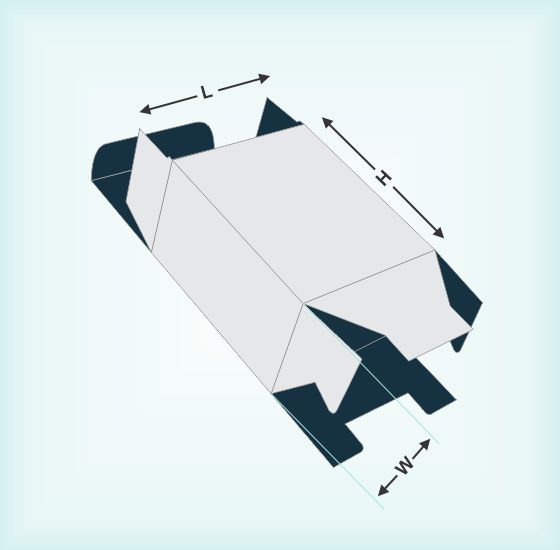
Tuck End Snap Lock Bottom

Tuck End Snap Lock Bottom

Tuck End Snap Lock Bottom boxes combine a familiar, tape free tuck closure at the top with a pre glued base that snaps into a secure, flat position the instant the carton is opened, removing the need for manual folding or tape at either end. Built from durable paperboard or corrugated stock and finished with full color printing, this structure is used everywhere from bakery counters to subscription box fulfillment centers to retail multi packs. Whether you need Custom Tuck End Snap Lock Bottom packaging engineered around your specific product, or Tuck End Snap Lock Bottom Wholesale production for high volume operations, this guide explains exactly how this mechanism works and why it earns its place in so many different industries.

Get A Custom Quote

Specifications Details
Dimensions
All custom sizes & shapes
Printing
CMYK, PMS, No Printing
Paper Stock
10pt to 28pt (60lb to 400lb) Eco-Friendly Kraft, E-flute Corrugated, Bux Board, Cardstock
Quantities
50 – 500,000,000
Coating
Gloss, Matte, Spot UV
Default Process
Die Cutting, Gluing, Scoring, Perforation
Options
Custom Window Cut Out, Gold/Silver Foiling, Embossing, Raised Ink, PVC Sheet
Proof
Flat View, 3D Mock-up, Physical Sampling (On request)
Turn around Time
7-10 Business Days

The Sound and Feel of a Snap Lock Bottom

There is a specific, satisfying moment that happens when someone opens a Tuck End Snap Lock Bottom box for the first time, the base panels click into place with an audible, tactile snap, and suddenly a flat carton has become a fully formed, sturdy container ready to hold weight. It is a small physical detail, easy to overlook, and yet it is one of those quiet design touches that shapes how a product feels the instant someone interacts with its packaging.For brands thinking carefully about unboxing experience, particularly direct to consumer and subscription box companies, this is not a trivial detail. The moment a customer opens a package is one of the very few times they physically interact with a brand’s packaging engineering directly, and a mechanism that works cleanly, quickly, and with a satisfying sense of solidity leaves a genuinely different impression than a box that requires fumbling with tape or awkwardly folding flaps into an uncertain, wobbly base.

What “Snap Lock” Actually Means, and Why It’s Sometimes Called Something Else

Pre-Glued Panel Construction

A Tuck End Snap Lock Bottom base is built from panels that are glued together in a specific folded configuration during manufacturing, shipped flat, and designed to pop into their final, locked position the moment the carton is opened and gently pressed down. Nothing needs to be folded by hand at the point of use, and no tape is required to hold the base secure.

Comparison to Manual and Taped Bottoms

This stands in clear contrast to a standard manual tuck bottom, which requires several individual fold and tuck steps to close securely, or a taped bottom, which needs an actual strip of tape applied by hand or machine before the box can safely hold weight. The snap lock mechanism removes both of those extra steps entirely.

A Note on Terminology

Worth understanding directly, since it affects how you might search for or discuss this product with different suppliers. This same base construction is described by several different names across the packaging industry, most commonly Tuck End Snap Lock Bottom, but also frequently called an auto lock bottom, a self locking bottom, or a 1-2-3 bottom. These terms all describe the identical underlying mechanism, pre glued panels that snap into a flat, locked position, simply reflecting different supplier and regional naming conventions rather than meaningfully different products.

Tuck End Snap Lock Bottom vs Standard Tuck End Boxes: What Changes at the Base

Standard Tuck End Boxes typically pair a foldable top closure with an equally foldable bottom, meaning both ends require the same manual fold and tuck sequence to close securely. A Tuck End Snap Lock Bottom structure keeps that familiar, tape free top closure intact while replacing the bottom construction entirely, trading a second manual folding step for a mechanism that locks into place automatically.This matters more than it might first appear, because the bottom of a box is disproportionately responsible for its overall structural reliability. A flap folded closed incorrectly at the top of a box is usually just a minor cosmetic issue. A bottom that is not properly secured can mean the entire base fails under the product’s own weight, which is exactly the failure point the snap lock mechanism is specifically engineered to eliminate.

Why D2C and Subscription Brands Specifically Care About This Mechanism

Beyond pure structural reliability, this mechanism carries a genuine brand experience benefit that becomes especially relevant for direct to consumer and subscription businesses shipping directly into a customer’s hands, rather than through a retail intermediary.
  • A cleaner, more premium unboxing moment, since the box forms itself rather than requiring the customer to see any assembly imperfection.
  • Reduced perceived fragility, since a snap lock base feels immediately solid and load bearing compared to a box with a loosely tucked or taped bottom.
  • Fewer negative surprises during shipping damage disputes, since a properly engineered snap lock base is less likely to fail structurally in transit compared to a manually folded or improperly taped alternative.
  • A small, repeatable brand touchpoint, particularly valuable for subscription boxes where the same customer experiences this same opening moment on a recurring basis.

Where This Structure Also Matters for Practical Reasons

Beyond the unboxing experience angle, Tuck End Snap Lock Bottom construction also delivers the same practical, operational advantages that make this mechanism popular across bakery, food service, and warehouse fulfillment settings, removing a manual folding step at scale genuinely speeds up any high volume packing process, whether that speed matters because a bakery counter is moving through a lunch rush or because a fulfillment center is packing hundreds of orders per shift.

Custom Tuck End Snap Lock Bottom: What Customization Actually Adds

Custom Tuck End Snap Lock Bottom packaging applies the same layers of customization found across most folding carton categories to this specific structure. Dimensional customization sizes both the tuck end top and the snap lock base precisely to a specific product’s weight and footprint. Print customization applies brand specific colors, logos, and product information across the exterior surface. Structural customization can include additional features like dust flaps, windows, or reinforced board weight for heavier products, layered onto the base snap lock mechanism as needed.Here is a longer point worth understanding fully, since it shapes how this specific structure needs to be engineered correctly. Because the entire snap lock mechanism depends on precise pre gluing during manufacturing, Custom Tuck End Snap Lock Bottom production genuinely requires tighter quality control at the base construction stage than a standard manually folded bottom would, since a base panel glued even slightly out of alignment may fail to snap into its intended flat position correctly, or may lock into place unevenly in a way that compromises the load bearing strength the entire mechanism exists to provide, meaning this is one packaging category where verifying a supplier’s base construction quality control process is genuinely worth asking about directly rather than assuming all suppliers handle this specific manufacturing step with equal precision.

Materials and Structural Comparison

Bottom StyleAssembly ExperienceBest For
Tuck End Snap Lock BottomInstant, tape free, satisfying click into placeHigh volume packing, premium unboxing experience
Manual Tuck BottomMultiple fold steps, no adhesive neededLow volume or occasional packaging needs
Taped BottomRequires tape and manual foldingHeavier loads needing maximum reinforcement

How Custom Tuck End Snap Lock Bottom Boxes Are Manufactured

  1. Structural engineering, calculating precise panel measurements for both the tuck end top and the snap lock base to match the product’s dimensions and weight.
  2. Material selection, choosing paperboard or corrugated stock based on how much weight the snap lock base needs to support once formed.
  3. Printing, applying brand artwork through offset, digital, or flexographic methods depending on order volume.
  4. Die cutting and scoring, cutting the flat shape and scoring the fold lines that allow both the top flap and the base panels to function correctly.
  5. Pre gluing the base panels, the manufacturing step unique to this structure, requiring precise alignment to ensure the base snaps into a properly locked, flat position later.
  6. Quality testing, confirming the base locks flat consistently and holds weight reliably before the design moves to full production.

Wholesale Production for Tuck End Snap Lock Bottom

Tuck End Snap Lock Bottom Wholesale production becomes relevant for businesses operating at meaningful packing volume, whether that means a growing e-commerce brand, a bakery chain, or a retail distributor supplying multiple accounts. At this scale, consistency in base gluing precision across every single unit matters significantly, since a single production run might represent thousands of units where even a small percentage of improperly formed bases translates into a real number of structurally compromised boxes reaching customers.

Ordering Checklist for Custom Tuck End Snap Lock Bottom Packaging

  1. Confirm your product’s weight and dimensions, since these determine both board weight and precise base construction requirements.
  2. Decide how much the unboxing experience matters for your specific brand, since this mechanism offers real value beyond pure efficiency for customer facing packaging.
  3. Ask your supplier directly about base gluing quality control, given how much this specific structure depends on manufacturing precision.
  4. Request wholesale specific quotes if you are operating at high packing volume.
  5. Request a physical sample and test the base locking mechanism yourself before committing to a full production run.
  6. Plan lead times around your production schedule, since quality verification for this structure benefits from a slightly more thorough proofing process than a standard manual bottom carton.

Sustainability and EEAT: Manufacturing Tuck End Snap Lock Bottom Boxes Responsibly

Businesses across food service, e-commerce, and retail increasingly expect transparency around the materials behind even highly functional packaging formats like this one. Choosing a manufacturer that sources FSC certified paperboard and uses soy or water based inks supports both environmental responsibility and long term brand trust, a priority tracked broadly by organizations like the Sustainable Packaging Coalition.Our production process for Custom Tuck End Snap Lock Bottom packaging includes structural prototyping to confirm the base locks flat and holds weight correctly, proof approval before full production, and quality testing informed by general packaging engineering standards described by organizations such as the Institute of Packaging Professionals. Every order is reviewed by packaging engineers and print production specialists before it ships, ensuring the snap lock mechanism performs consistently across the full production run.

Frequently Asked Questions

  1. What is a tuck end snap lock bottom box? Tuck End Snap Lock Bottom describes a folding carton with a standard foldable top closure paired with a pre glued base that snaps into a secure, flat, load bearing position the moment the box is opened, without tape or manual folding.
  2. Is a snap lock bottom the same as an auto lock bottom? Yes. Tuck End Snap Lock Bottom and terms like auto lock bottom or 1-2-3 bottom all describe the identical underlying mechanism, simply reflecting different supplier and regional naming conventions.
  3. How is a tuck end snap lock bottom different from a standard tuck end box? Standard Tuck End Boxes typically require manual folding at both the top and bottom, while a Tuck End Snap Lock Bottom structure keeps the familiar top closure but replaces the bottom with a pre glued mechanism that locks into place automatically.
  4. Does a snap lock bottom actually improve the unboxing experience? Yes, for many brands. The mechanism forms a solid, load bearing base instantly and without visible assembly imperfection, which can create a cleaner, more premium first impression compared to a manually folded or taped bottom, particularly valuable for direct to consumer and subscription box brands.
  5. What should I ask a supplier before ordering custom tuck end snap lock bottom packaging? It is worth directly asking about their base panel gluing quality control process, since this specific structure depends heavily on precise manufacturing alignment to function correctly.
  6. Can tuck end snap lock bottom boxes hold heavy products? Load capacity depends on board weight and box dimensions, with heavier paperboard or corrugated stock options available for products requiring a sturdier, higher capacity base.
  7. How does tuck end snap lock bottom wholesale pricing compare to smaller orders? Tuck End Snap Lock Bottom Wholesale pricing typically drops significantly at higher volumes, though buyers should confirm consistent base gluing quality across very large production runs, since manufacturing precision at this specific construction step matters more at scale, not less.
  8. Can custom tuck end snap lock bottom packaging include additional features like a window? Yes. Custom Tuck End Snap Lock Bottom packaging can incorporate additional structural features like dust flaps or die cut windows, layered onto the base snap lock mechanism as needed for a specific product.
  9. How long does it take to produce custom tuck end snap lock bottom boxes? Turnaround depends on order volume and finish complexity, but standard production timelines typically range from about one to two weeks for stock dimensions to several weeks for fully custom structural designs with proof approval and base quality verification.

A Small Mechanism That Says More Than It Seems To

Packaging rarely gets a chance to communicate anything before a customer even sees the product inside, and yet the specific, satisfying click of a Tuck End Snap Lock Bottom forming into place does exactly that, in the space of about one second. Whether you care most about the operational speed this mechanism brings to a high volume packing line, or the small but genuine brand impression it leaves during an unboxing moment, this structure delivers both from the same simple engineering decision. From Custom Tuck End Boxes packaging built around your specific product to full Tuck End Snap Lock Bottom Wholesale production at scale, this format proves that sometimes the most memorable part of a customer’s experience with your packaging is not the artwork on the outside, but the way the box comes together in their hands.Ready to give your packaging a base that locks into place as reliably as it feels premium? Request a free design consultation and prototype quote today, and see how Tuck End Snap Lock Bottom construction can bring both structural confidence and a small, satisfying moment to every box you ship.

Professional Support

Support throughout the procedure.

Price Friendly

Cost-effective production processes

All At One Station

Exclusive facilities, services, in one place.

Guaranteed Quality

Special concern towards quality.

Need a Sample?

No problem! We can make you a single custom box with your design and dimensions.