Custom 1-2-3 Bottom Boxes

Custom 1-2-3 Bottom Boxes

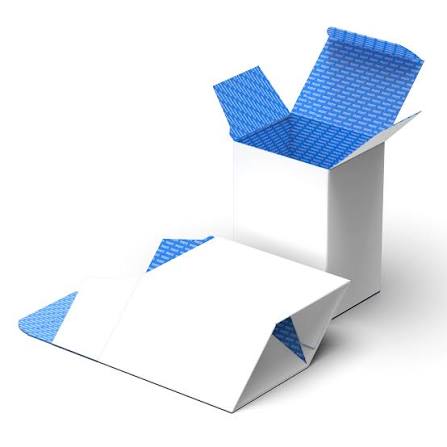
Custom 1-2-3 Bottom Boxes combine a familiar tuck top closure with a pre glued base that locks flat automatically, and this guide focuses specifically on the dimensional decisions that actually determine whether a 1 2 3 bottom box performs well once it leaves your packing station. From choosing the right size for your specific product to understanding where this structure fits among other shipping box types, and how its footprint affects pallet loading efficiency, this guide covers the sizing questions most competing pages leave out entirely.

Get A Custom Quote

Specifications Details
Dimensions
All custom sizes & shapes
Printing
CMYK, PMS, No Printing
Paper Stock
10pt to 28pt (60lb to 400lb) Eco-Friendly Kraft, E-flute Corrugated, Bux Board, Cardstock
Quantities
50 – 500,000,000
Coating
Gloss, Matte, Spot UV
Default Process
Die Cutting, Gluing, Scoring, Perforation
Options
Custom Window Cut Out, Gold/Silver Foiling, Embossing, Raised Ink, PVC Sheet
Proof
Flat View, 3D Mock-up, Physical Sampling (On request)
Turn around Time
7-10 Business Days

What Is a 1-2-3 Bottom Box?

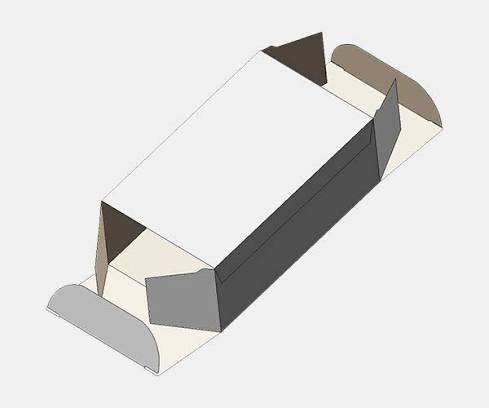
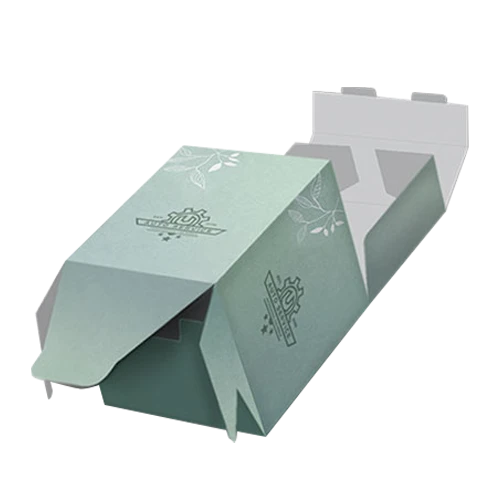
A 1-2-3 bottom box uses a base built from panels pre glued during manufacturing in a folded, flat configuration, engineered to snap into a locked, load bearing floor the moment the flat carton is opened and pressed down, paired with a standard foldable tuck closure at the top. This same mechanism appears elsewhere under several other names, and if you are looking for a deeper breakdown of why this construction matters for warehouse packing speed, D2C unboxing experience, or small business cost decisions, those angles are covered in detail in related guides linked later in this article. This guide takes a different, more practical starting point, assuming you already know you want this mechanism and need help getting the actual dimensions right.

Terminology Note: You May Have Seen This Called Something Else

Worth addressing directly and honestly, since search results for this mechanism scatter across several different names. Custom 1-2-3 bottom boxes, custom 1 2 3 bottom boxes, and 123 bottom box all describe the identical structure discussed throughout this guide, with the “1-2-3” name simply describing the intuitive, three step feeling of opening, pressing, and having a fully formed box ready to fill. This same mechanism is also commonly called an auto lock bottom or a snap lock bottom depending on the specific supplier or region, all referring to exactly the same underlying construction.

How to Choose the Right Box Size for Your Needs

Sizing decisions matter more than most buyers realize, since a box that is too large wastes material, increases shipping cost through unnecessary dimensional weight charges, and lets a product shift dangerously during transit, while a box that is too small simply will not fit the product at all.

Start With Precise Product Measurements

Measure your product’s actual length, width, and height carefully, including any packaging, inserts, or protective materials that will sit inside the box alongside the product itself.

Add Appropriate Clearance

Most well sized boxes add a small amount of clearance beyond the product’s exact dimensions, typically enough to accommodate any protective packing material without leaving so much extra space that the product shifts significantly during transit.

Consider Whether Standard or Custom Sizing Fits Better

For 1 2 3 bottom box orders, standard stock dimensions are often available at lower cost and faster turnaround for common product sizes, while a fully custom 1 2 3 bottom boxes order becomes worthwhile once your product has dimensions that do not fit neatly into standard sizing options, or once your order volume justifies the investment in dimensions engineered precisely around your specific product.

What Are the Different Types of Shipping Boxes?

Understanding where a 1-2-3 bottom box fits requires a quick tour of the broader shipping box landscape, since this structure is just one option among several genuinely different approaches to the same basic problem, getting a product from a warehouse to a customer intact.
  • Regular slotted containers, the classic corrugated shipping carton with four flaps meeting at the top and bottom, requiring tape to close securely, common for heavier or bulk shipments.
  • Tuck end folding cartons, including standard Tuck End Boxes, closing with a foldable flap and no adhesive, typically used for smaller retail products rather than bulk shipping.
  • Mailer boxes, often self locking or tab closure designs specifically built for e-commerce direct to consumer shipping, prioritizing a clean unboxing presentation.
  • 1-2-3 bottom boxes, combining a tuck top closure with the self forming, pre glued base discussed throughout this guide, striking a middle ground between the manual assembly of a standard folding carton and the taped closure of a full corrugated shipper.

Where 123 Bottom Box Construction Fits Best in That Taxonomy

Within that broader landscape, a 123 bottom box occupies a specific, useful niche, offering more structural reliability at the base than a simple manual tuck bottom while avoiding the taping requirement of a full regular slotted container. This makes it a particularly strong fit for products that are too substantial for a lightweight retail carton but do not require the heavier duty, taped construction a full bulk shipping box provides.

Best Box Sizes for Pallet Storage and Shipping

Once you are ordering Custom 1-2-3 Bottom Boxes at real volume, dimensional decisions stop being just about fitting your product and start affecting how efficiently your boxes stack and ship on a standard pallet.Here is a longer point worth understanding fully, since it is exactly the kind of practical detail most packaging content skips entirely in favor of talking only about the product fit question. Standard pallets in North America typically measure 48 inches by 40 inches, and the actual efficiency of your shipping operation depends heavily on whether your box dimensions divide cleanly into that footprint without leaving significant wasted space around the edges of each layer, meaning a box that seems perfectly sized for your product in isolation can still create meaningful inefficiency at the pallet level if its length and width do not combine in a way that tiles cleanly across that standard footprint, and this is precisely why experienced shippers work backward from pallet dimensions as well as forward from product dimensions when finalizing a 1 2 3 bottom box size, since even a small amount of wasted pallet space, multiplied across every single shipment a growing business sends out, adds up to real, ongoing cost in wasted freight capacity over time.

Practical Pallet Sizing Guidance

When finalizing dimensions for custom 1 2 3 bottom boxes, consider testing whether your intended box footprint divides evenly, or close to evenly, into a standard 48 by 40 inch pallet layer, and factor in realistic stacking height limits for your specific product weight and fragility before finalizing a design meant to ship at meaningful volume.

Sizing a Custom 1 2 3 Bottom Boxes Order for Your Specific Product

Bringing this together, a well sized custom 1-2-3 bottom boxes order typically starts with precise product measurements and appropriate clearance, gets evaluated against standard stock sizing options for cost and speed efficiency, and, for meaningful shipping volume, gets checked against standard pallet dimensions to avoid unnecessary freight inefficiency. Skipping any one of these three considerations tends to create a real, if sometimes invisible, cost somewhere down the line.

Structural Foundations: Tuck End and Custom Boxes

A 1-2-3 bottom box builds directly on the same familiar tuck top closure mechanism found across standard Tuck End Boxes, simply adding the specialized self locking base construction discussed throughout this guide. Custom Boxes serves as the broader umbrella term covering this and every other shipping box type discussed in the taxonomy above, unified by the principle of matching structure and dimensions specifically to what a product and shipping operation actually need.

Materials and Structural Comparison

Box TypeClosure MethodBest Suited For
1-2-3 Bottom BoxTuck top, self locking baseMiddle weight products needing reliable base support without tape
Standard Tuck End BoxesFoldable top and bottom flapsLighter retail products, smaller items
Regular Slotted ContainerTaped top and bottom flapsHeavier bulk shipments, warehouse to warehouse transit
Mailer BoxTab or self locking closureDirect to consumer e-commerce shipping

How Custom 1-2-3 Bottom Boxes Are Manufactured

  1. Product measurement and clearance calculation, establishing the actual footprint the box needs to accommodate.
  2. Pallet efficiency check, testing the intended dimensions against standard pallet footprint for shipments expected to move at real volume.
  3. Material selection, choosing board weight appropriate to the product weight the self locking base needs to support.
  4. Printing, applying brand artwork through offset, digital, or flexographic methods depending on order volume.
  5. Die cutting and pre gluing, forming the flat shape and gluing the base panels in their folded, self locking configuration.
  6. Quality testing, confirming the base locks flat and holds weight reliably, and that the finalized dimensions perform as expected at the pallet level.

Ordering Checklist for Custom 1-2-3 Bottom Boxes

  1. Measure your product precisely, including any inserts or protective materials that will ship alongside it.
  2. Compare standard stock sizing against a fully custom option, based on your product’s specific dimensions and order volume.
  3. Check your intended dimensions against standard pallet footprint if you are shipping at meaningful volume.
  4. Confirm board weight is sufficient to support your product’s actual weight on the self locking base.
  5. Request a physical sample, testing both product fit and base assembly before committing to full production.
  6. Revisit sizing periodically as your product packaging or shipping volume changes over time.

Sustainability and EEAT: Manufacturing Custom 1-2-3 Bottom Boxes Responsibly

Businesses shipping at any real volume increasingly expect transparency around the materials behind their packaging, particularly given how directly box sizing choices affect overall shipping efficiency and environmental footprint. Choosing a manufacturer that sources FSC certified paperboard and uses soy or water based inks supports both environmental responsibility and long term operational trust, a priority tracked broadly by organizations like the Sustainable Packaging Coalition.Our production process for Custom 1-2-3 Bottom Boxes includes structural prototyping to confirm base locking reliability and dimensional accuracy, proof approval before full production, and quality testing informed by general packaging engineering standards described by organizations such as the Institute of Packaging Professionals. Every order is reviewed by packaging engineers before it ships, with sizing guidance available for both product fit and pallet level efficiency.

Frequently Asked Questions

What is a 1-2-3 bottom box? A 1-2-3 bottom box uses a pre glued base that snaps into a locked, flat position automatically when the box is opened, paired with a standard foldable tuck closure at the top, removing the need for manual bottom folding or tape.How to choose the right box size for your needs? Start with precise product measurements including any inserts or padding, add modest clearance to prevent shifting without creating excessive wasted space, and compare standard stock sizing against a fully custom option based on your product’s specific dimensions.What are the different types of shipping boxes? Common types include regular slotted containers for heavier bulk shipments, standard tuck end folding cartons for lighter retail products, mailer boxes built for direct to consumer e-commerce, and 1-2-3 bottom boxes offering a middle ground of base reliability without requiring tape.Best box sizes for pallet storage and shipping? For shipments moving at real volume, box dimensions ideally divide cleanly into a standard 48 by 40 inch pallet footprint, since even small amounts of wasted pallet space compound into meaningful freight inefficiency across many shipments.Is a 123 bottom box the same as an auto lock bottom box? Yes. 123 bottom box and auto lock bottom both describe the identical underlying self locking base mechanism, simply reflecting different naming conventions used by different suppliers.What is the difference between custom 1 2 3 bottom boxes and standard Tuck End Boxes? Custom 1 2 3 bottom boxes add a pre glued, self locking base to the same familiar tuck top closure found on standard Tuck End Boxes, which typically require manual folding at both the top and bottom.How do I know if I need a custom size instead of a standard stock size? A custom size becomes worthwhile once your product’s dimensions do not fit neatly into available standard options, or once your order volume justifies the investment in dimensions engineered precisely around your specific product and pallet efficiency needs.Does box size really affect shipping cost significantly? Yes. Oversized boxes can trigger dimensional weight shipping charges even for lightweight products, while boxes poorly matched to standard pallet dimensions create ongoing freight inefficiency across every shipment.How long does it take to produce custom 1-2-3 bottom boxes? Turnaround depends on order volume and dimensional complexity, but standard timelines typically range from about one to two weeks for stock dimensions to several weeks for fully custom sizing with proof approval and pallet efficiency verification.

Get the Dimensions Right, and Everything Else Follows

A 1-2-3 bottom box only delivers its full value when its dimensions are actually right, sized precisely enough to protect your product without wasting material, and, for anyone shipping at real volume, chosen with enough attention to standard pallet dimensions to avoid quietly bleeding freight efficiency out of every single shipment. Understanding where this structure fits among Tuck End Boxes, mailer boxes, and full corrugated shippers helps you choose it for the right reason, not just because the mechanism itself is convenient, while getting the actual size right is what determines whether that convenience translates into real, measurable savings once you are shipping at scale.Ready to get your box dimensions right the first time, from product fit through pallet efficiency? Request a free design consultation and prototype quote today, and see how properly sized Custom 1-2-3 Bottom Boxes can support your product and your shipping operation at the same time.

Professional Support

Support throughout the procedure.

Price Friendly

Cost-effective production processes

All At One Station

Exclusive facilities, services, in one place.

Guaranteed Quality

Special concern towards quality.

Need a Sample?

No problem! We can make you a single custom box with your design and dimensions.