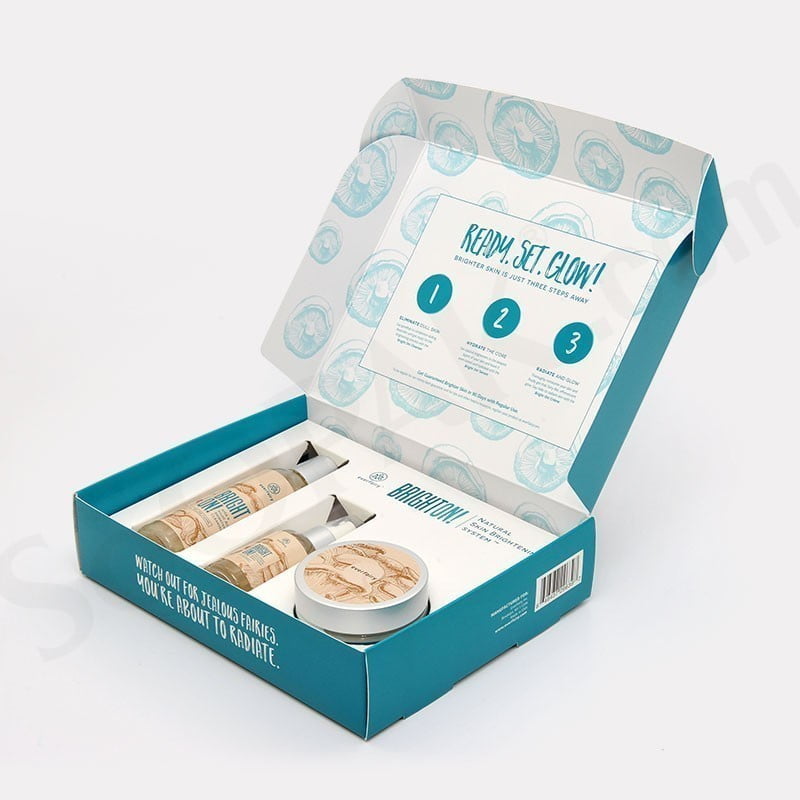
Custom Tuck Front Boxes

Custom Tuck Front Boxes

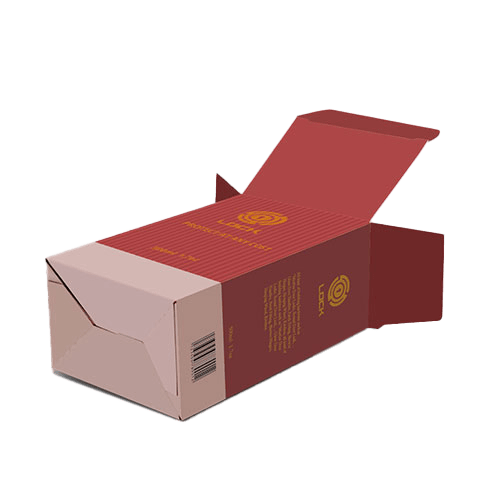
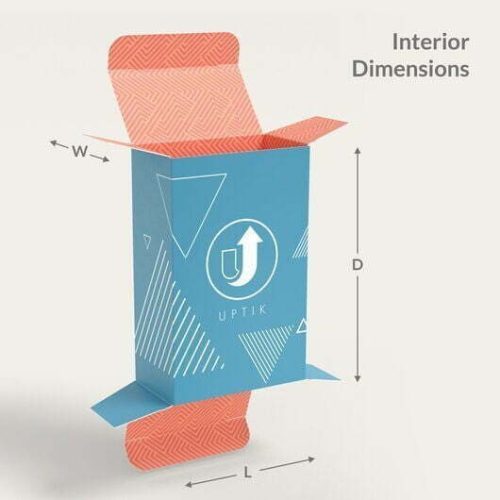
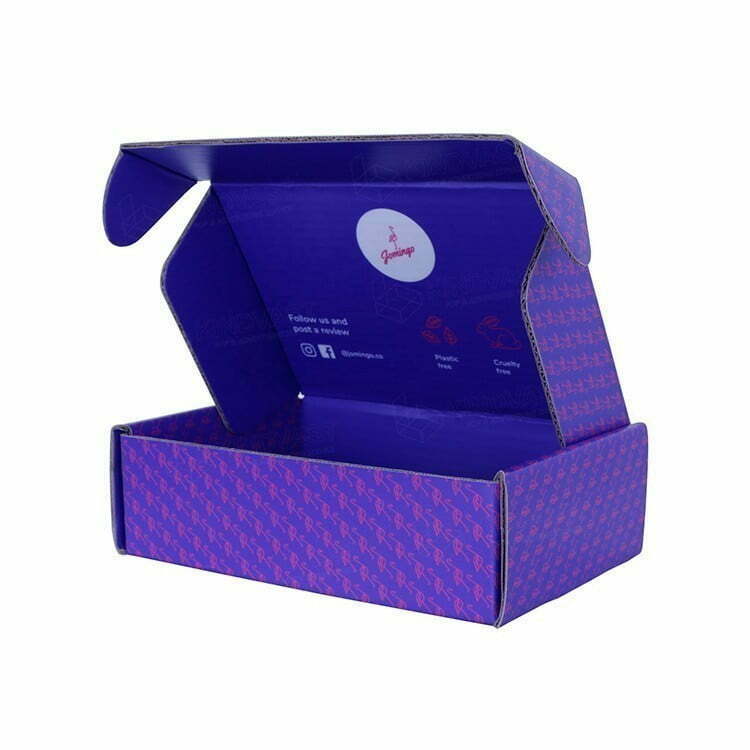
Custom Tuck Front Boxes are folding cartons engineered with a rolled top edge for added strength, paired with a front facing tuck flap that keeps the box securely closed without tape or adhesive. Known in the packaging industry by several closely related names, including roll end tuck front box, roll end front tuck box, and roll end lock front box, this structure is chosen specifically for products that need more edge durability than a standard folding carton provides. Available in both single wall and double wall tuck front construction, and with optional dust flaps for interior protection, this guide explains exactly how this reinforced structure works and where it makes the most sense.

Get A Custom Quote

Specifications Details
Dimensions
All custom sizes & shapes
Printing
CMYK, PMS, No Printing
Paper Stock
10pt to 28pt (60lb to 400lb) Eco-Friendly Kraft, E-flute Corrugated, Bux Board, Cardstock
Quantities
50 – 500,000,000
Coating
Gloss, Matte, Spot UV
Default Process
Die Cutting, Gluing, Scoring, Perforation
Options
Custom Window Cut Out, Gold/Silver Foiling, Embossing, Raised Ink, PVC Sheet
Proof
Flat View, 3D Mock-up, Physical Sampling (On request)
Turn around Time
7-10 Business Days

The Structural Idea Behind a Roll End Tuck Front Box

Every folding carton has a weak point, and for most standard tuck end designs, that weak point is the top edge, the part of the box most likely to crush, dent, or fold unintentionally under stacking pressure or rough handling. A Custom Tuck Front Boxes design solves this specific problem by curling, or rolling, the top edge of the box back on itself during manufacturing, creating a reinforced lip that resists crushing far better than a simple flat fold.This reinforced roll is then paired with a front tuck closure, meaning the flap that holds the box shut folds and locks in from the front panel rather than the top, giving the structure its full name as a roll end tuck front box. The result is a carton built specifically to handle more physical stress at its most vulnerable point than a standard tuck end box design.

Breaking Down the Name: What Each Part of a Custom Tuck Front Box Actually Does

Roll End: The Reinforced Edge

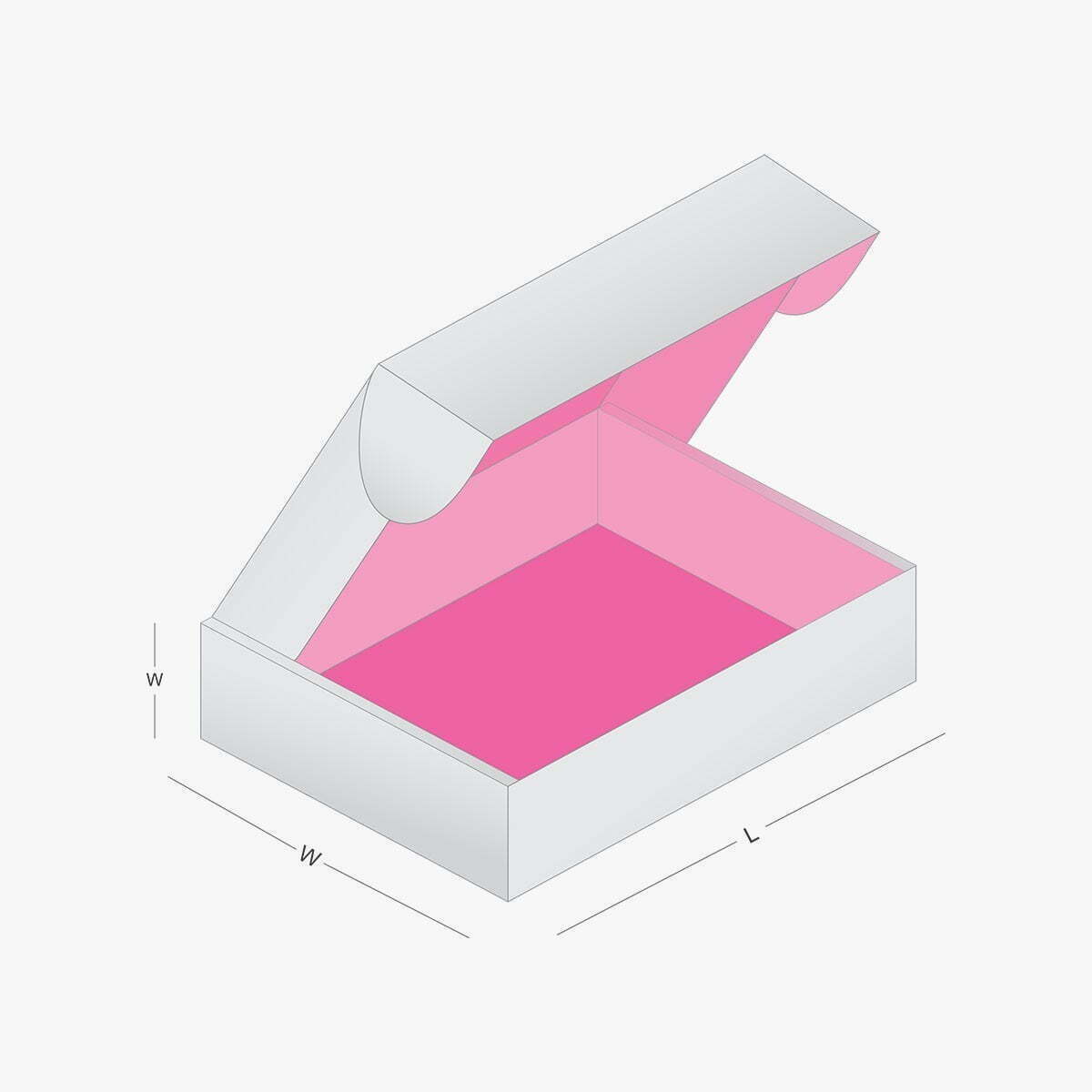
The “roll end” portion of a roll end tuck front box refers specifically to how the top edge of the carton is formed. Instead of a simple flat fold, the board is rolled back on itself, creating a rounded, doubled up edge that significantly increases resistance to crushing and denting compared to a single layer fold.

Front Tuck: The Closure Mechanism

The “front tuck” portion describes where and how the box closes. Unlike a standard tuck end box, where the closure flap folds down from the top, a front tuck box closes with a flap that tucks in from the front panel, which also tends to keep the reinforced rolled edge fully intact and undisturbed by repeated opening and closing.

Dust Flaps for Interior Protection

A roll end front tuck with dust flaps design adds small interior flaps that fold in before the main closure, helping keep dust, debris, and moisture away from the product inside, a detail that matters for food service items, hardware components, and other products sensitive to contamination during shipping or storage.

Double Wall Construction for Maximum Load Support

For especially heavy or bulky products, a double wall tuck front structure uses two layers of board laminated together, dramatically increasing the box’s ability to support weight without buckling, while still maintaining the reinforced roll end and front tuck closure that define this box family.

Why Reinforcement at the Edges Changes Everything

It is easy to underestimate how much stress the top edge of a box absorbs during a normal shipping and handling cycle. Boxes get stacked, strapped, dropped, and compressed under other boxes for hours or days at a time. A standard flat folded edge concentrates that stress along a single, relatively thin fold line. A roll end tuck front edge distributes that same stress across a rounded, doubled surface, meaningfully reducing the chance of visible crushing or structural failure by the time a product reaches its final destination.This is precisely why Custom Tuck Front Boxes show up disproportionately often in categories where product weight, stacking height, or rough handling conditions are a genuine concern, rather than in lightweight, low stress packaging applications where a standard tuck end box would perform just as well.

Roll End Front Tuck vs Standard Tuck End: A Structural Comparison

FeatureRoll End Tuck FrontStandard Tuck End
Top edge constructionRolled, doubled edge for crush resistanceSingle flat fold
Closure locationFront panel tuck flapTop panel tuck flap
Best suited forHeavier or stacked productsLightweight, low stress products
Wall optionsSingle or double wall tuck frontTypically single wall
Dust protectionAvailable as roll end front tuck with dust flapsLess commonly included

Common Products Packaged in Custom Tuck Front Boxes

  • Hardware and tools, where product weight and stacking during warehouse storage demand a sturdier edge than standard folding cartons provide.
  • Food service and bakery items, particularly when a roll end front tuck with dust flaps design is needed to keep contents protected during transport.
  • Retail multi packs, where consistent stacking strength matters for both shelf display and shipping.
  • Industrial and B2B products, where a roll end lock front box or double wall tuck front structure supports heavier components without collapsing under normal handling.

How Custom Tuck Front Boxes Are Built, Step by Step

  1. Structural engineering, calculating the exact roll dimension and front tuck flap placement needed for the product’s size and expected load.
  2. Wall configuration selection, determining whether a single wall or double wall tuck front structure is needed based on product weight.
  3. Material sourcing, selecting paperboard weight and, for double wall designs, the laminating adhesive used to bond the two layers.
  4. Printing, applying brand artwork using offset, digital, or flexographic methods before the board is cut and formed.
  5. Die cutting and edge rolling, cutting the flat shape and forming the reinforced rolled edge that defines this box style.
  6. Quality testing, confirming the roll end holds its shape under compression and that the front tuck flap closes securely and consistently.

Choosing Between Single Wall and Double Wall Tuck Front Construction

Deciding between a standard single wall roll end tuck front box and a reinforced double wall tuck front structure typically comes down to a few practical questions.
  • How heavy is the product? Heavier or denser items generally benefit from double wall construction to prevent the box floor and sides from bowing under weight.
  • How will the box be stacked? Products stored or shipped in tall stacks put more cumulative pressure on the top edge, making the roll end reinforcement more valuable, and double wall construction worth considering for very tall stacking configurations.
  • What is the shipping distance and handling intensity? Longer shipping routes and multiple handling touchpoints increase the odds of impact stress, favoring the added durability of double wall construction.
  • What is the budget per unit? Double wall construction uses more material and typically costs more per unit than a standard single wall front tuck box, so it is worth reserving for products that genuinely need the extra support.

Ordering Considerations for Custom Tuck Front Boxes

  1. Product weight and density, which directly determines whether single wall or double wall tuck front construction is appropriate.
  2. Stacking and shipping conditions, since taller stacking or longer transit times increase the value of the roll end reinforcement.
  3. Dust and contamination sensitivity, confirming whether a roll end front tuck with dust flaps design is needed for the specific product category.
  4. Order volume, since larger production runs of Custom Boxes typically unlock better per unit pricing.
  5. Branding requirements, planning artwork placement around the front tuck closure rather than a top opening flap.
  6. Turnaround time, especially relevant for seasonal demand or new product launches on a fixed schedule.

Sustainability and EEAT: Manufacturing Custom Tuck Front Boxes Responsibly

Businesses selecting reinforced packaging increasingly want assurance that added material strength does not come at the cost of environmental responsibility. Choosing a manufacturer that sources FSC certified paperboard, including for double wall tuck front laminated structures, and uses soy or water based inks supports both durability and sustainability goals, a balance referenced broadly by organizations like the Sustainable Packaging Coalition.Our production process for Custom Tuck Front Boxes includes structural prototyping to confirm the roll end holds its shape under real world compression testing, proof approval before full production, and quality standards informed by general packaging engineering guidance from organizations such as the Institute of Packaging Professionals. Every order is reviewed by packaging engineers and print production specialists before it ships, ensuring the roll end tuck front structure performs as intended across the full production run.

Frequently Asked Questions

  1. What is a roll end tuck front box? A roll end tuck front box is a folding carton with a rolled, reinforced top edge for crush resistance, combined with a front panel tuck closure instead of a top mounted flap.
  2. What is the difference between a front tuck box and a standard tuck end box? A front tuck box closes with a flap that tucks in from the front panel and includes a reinforced rolled top edge, while a standard tuck end box closes from the top with a simple flat fold and no rolled reinforcement.
  3. When should I choose double wall tuck front construction? Double wall tuck front construction is worth choosing for heavier, denser, or taller stacked products, since the two laminated layers of board provide significantly more load bearing strength than a single wall structure.
  4. What are dust flaps used for in a roll end front tuck design? A roll end front tuck with dust flaps design includes small interior flaps that fold in before the main closure, helping protect contents from dust, debris, and moisture during shipping and storage.
  5. Are roll end lock front boxes more expensive than standard folding cartons? A roll end lock front box typically costs somewhat more than a standard folding carton due to the additional material and forming process required for the rolled edge, though the added durability often reduces damage related losses for heavier or high stress products.
  6. What products benefit most from custom tuck front boxes? Custom Tuck Front Boxes are commonly used for hardware, tools, food service items, retail multi packs, and industrial products where stacking strength and edge durability matter more than in lightweight, low stress packaging applications.
  7. Can custom tuck front boxes be fully branded? Yes. The front panel of a roll end tuck front box can be printed with full color branding using offset, digital, or flexographic methods, with artwork typically designed around the front tuck closure location.
  8. How is the roll end formed during manufacturing? The roll end is formed by curling the top edge of the board back on itself during the die cutting and forming stage, creating a doubled, rounded edge that resists crushing better than a single flat fold.
  9. How long does it take to produce custom tuck front boxes? Turnaround depends on order volume, wall configuration, and finish complexity, but standard production timelines typically range from about one to two weeks for stock single wall designs to several weeks for fully custom double wall tuck front structures with proof approval.

Build Packaging That Holds Up Under Real Pressure

Not every product needs a reinforced edge, but for the ones that do, the difference between a standard folding carton and a properly engineered roll end tuck front box shows up the moment a shipment gets stacked, strapped, or handled a little rougher than expected. Custom Tuck Front Boxes exist specifically for that moment, combining a rolled, crush resistant top edge with a secure front tuck closure, and scaling up to full double wall tuck front construction when a product truly needs it. Paired with optional dust flaps for contamination sensitive items, or built on a standard Tuck End Boxes foundation for lighter products, this structural family gives you a genuine engineering choice rather than a one size fits all default.Ready to give your heavier or higher stakes products the reinforced structure they actually need? Request a free design consultation and prototype quote today, and see how Custom Tuck Front Boxes can hold up to exactly what your shipping and handling process puts them through.

Professional Support

Support throughout the procedure.

Price Friendly

Cost-effective production processes

All At One Station

Exclusive facilities, services, in one place.

Guaranteed Quality

Special concern towards quality.

Need a Sample?

No problem! We can make you a single custom box with your design and dimensions.