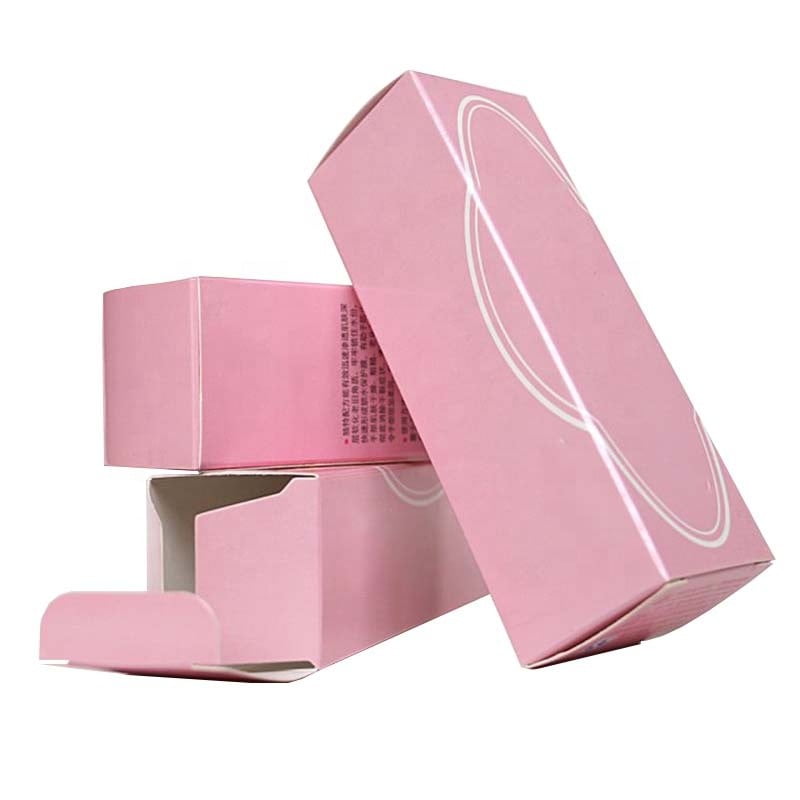
Custom Reverse Tuck End Boxes

Custom Reverse Tuck End Boxes

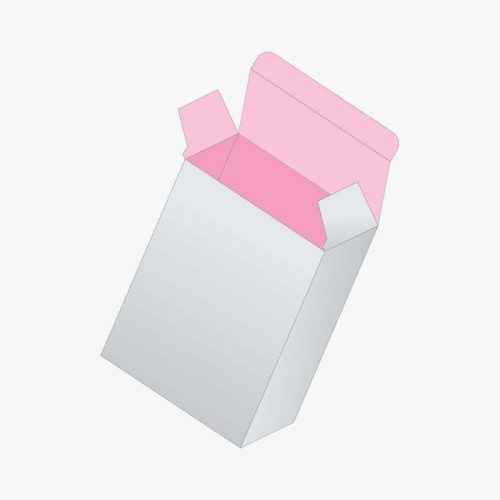
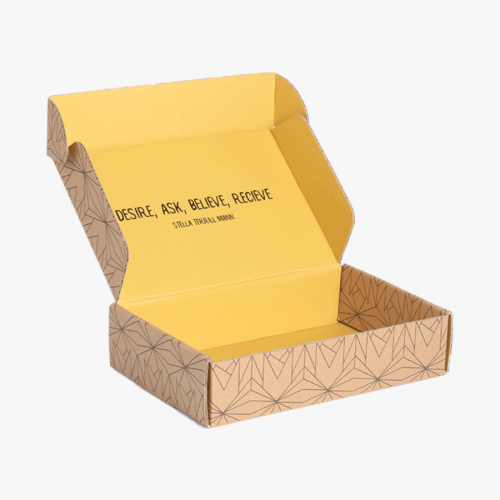
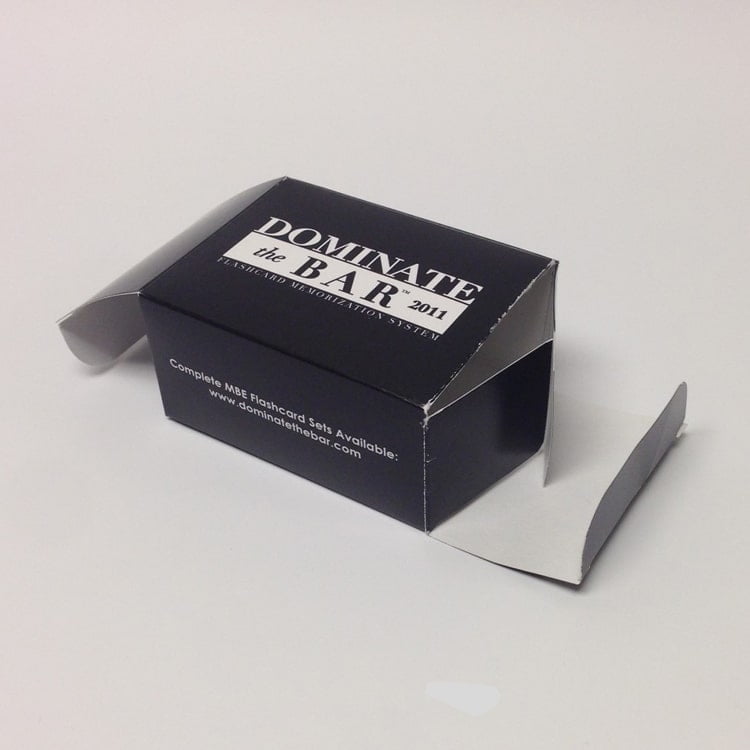
Custom reverse tuck end boxes are folding cartons engineered with a distinctive flap orientation, where the top and bottom closures tuck in from opposite sides of the box rather than the same side. This structural detail maximizes the usable front panel space for branding while maintaining a secure, tool free closure. Compared to a standard tuck end box, custom tuck end boxes built in the reverse style are especially popular for retail products where uninterrupted front panel graphics matter, from cosmetics and supplements to food packaging and small electronics. This guide explains exactly how the reverse tuck structure works, where it excels, and what to consider before your next production run.

Get A Custom Quote

Specifications Details
Dimensions
All custom sizes & shapes
Printing
CMYK, PMS, No Printing
Paper Stock
10pt to 28pt (60lb to 400lb) Eco-Friendly Kraft, E-flute Corrugated, Bux Board, Cardstock
Quantities
50 – 500,000,000
Coating
Gloss, Matte, Spot UV
Default Process
Die Cutting, Gluing, Scoring, Perforation
Options
Custom Window Cut Out, Gold/Silver Foiling, Embossing, Raised Ink, PVC Sheet
Proof
Flat View, 3D Mock-up, Physical Sampling (On request)
Turn around Time
7-10 Business Days

Understanding the Reverse Tuck End Structure

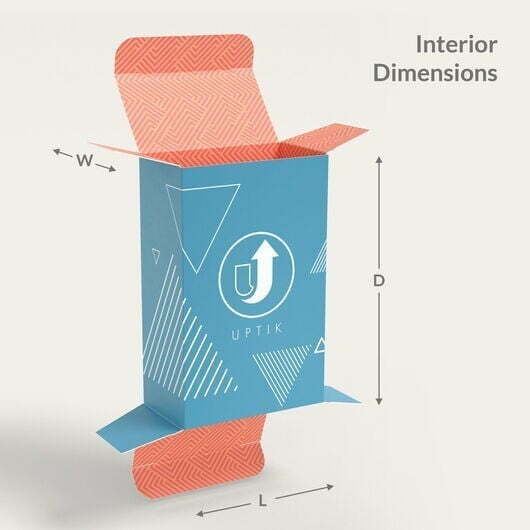
A folding carton is defined largely by how its flaps close, and this is exactly where the custom reverse tuck end boxes design sets itself apart. In a standard tuck end carton, sometimes called a straight tuck end box, both the top and bottom flaps fold and tuck in from the same side of the box. In a reverse tuck end boxes design, the top flap tucks in from the front, while the bottom flap tucks in from the back, or vice versa depending on the specific manufacturer’s convention.This seemingly small structural choice has a meaningful design consequence. Because the flaps tuck from opposite sides, the front panel of a custom reverse tuck boxes design remains a single, unbroken surface from top to bottom, uninterrupted by a visible seam line where a flap folds over. For any brand relying on strong front facing artwork, that unbroken canvas is a significant advantage over a straight tuck end carton, where the front panel is visually split by the top flap’s fold line.

The Anatomy of a Reverse Tuck End Carton

Front and Back Panels

The front panel of a custom reverse tuck end boxes design typically carries the primary branding, logo, and product imagery, benefiting from the full, uninterrupted surface this structure provides. The back panel usually holds secondary information such as ingredients, usage instructions, or barcodes.

Top and Bottom Tuck Flaps

The defining feature of any tuck end carton is its flap mechanism. In the reverse configuration, the top flap folds down and tucks behind the front panel, while the bottom flap folds up and tucks behind the back panel, creating the alternating structure that gives this box style its name.

Side Panels and Glue Flap

Most custom tuck end boxes, reverse or straight, use a single glued side seam to form the tube shape of the carton before the top and bottom flaps are folded during final assembly at the point of packing. This keeps assembly fast, since the box arrives flat and only needs the two flaps tucked closed once a product is inserted.

Dust Flaps for Added Security

Many custom reverse tuck boxes include small interior dust flaps that fold in before the main flap tucks closed, adding a layer of interior protection against dust, moisture, and product shifting, particularly valuable for powders, supplements, or small loose components.

Reverse Tuck End vs Straight Tuck End: Why the Difference Matters

Choosing between a reverse tuck end and a standard tuck end box often comes down to how much the front panel design matters for a specific product.
  • Branding priority: a reverse tuck end boxes design gives a brand an unbroken front panel, ideal for photography, illustration, or bold typography that would otherwise be interrupted by a fold line.
  • Production familiarity: standard tuck end cartons are extremely common and well understood across most packaging suppliers, making them a safe, cost predictable default for straightforward products.
  • Retail shelf behavior: since custom reverse tuck boxes often display more consistently when placed on a shelf with the front panel facing outward, this style is frequently chosen for cosmetics, food, and supplement packaging where shelf presentation is a competitive factor.
  • Assembly speed: both styles assemble quickly, though the reverse configuration can occasionally require slightly more precise flap alignment during high speed automated packing lines.

Where Reverse Tuck End Boxes Excel

Cosmetics and Personal Care

Skincare, haircare, and cosmetic brands frequently choose custom reverse tuck end boxes because the uninterrupted front panel supports the kind of clean, image forward branding common in this category.

Food, Supplements, and Nutraceuticals

Products like tea, protein bars, and supplement capsules often use reverse tuck end cartons, particularly when the front panel needs to display nutritional callouts, certifications, or product photography without visual interruption.

Small Electronics and Accessories

Compact electronics, cables, and small accessory items benefit from the secure, tool free closure of a custom tuck end boxes structure, with the reverse style specifically chosen when brand recognition on the shelf is a priority.

Retail and Subscription Packaging

Subscription boxes and retail multi packs often standardize on reverse tuck end boxes across an entire product line, since the consistent front panel space simplifies brand system design across many different SKUs.

From Blueprint to Box: How Custom Reverse Tuck Boxes Are Manufactured

The production process behind custom reverse tuck end boxes typically follows several key stages.
  1. Die line development, where the exact fold and tuck measurements are engineered to the product’s dimensions, ensuring the reverse flap orientation functions correctly once assembled.
  2. Material selection, choosing paperboard weight and coating based on product weight, moisture sensitivity, and desired finish.
  3. Printing, applying the brand’s artwork using offset, digital, or flexographic methods depending on order volume and finish requirements.
  4. Die cutting and scoring, cutting the flat carton shape and scoring the fold lines that will later allow the top and bottom flaps to tuck correctly in their reversed orientation.
  5. Gluing the side seam, forming the flat, collapsed tube shape that ships efficiently and stores compactly before final assembly.
  6. Quality inspection, confirming that the reverse tuck flaps fold and lock securely without gaps or misalignment.

Material and Finishing Options for Tuck End Cartons

ElementCommon OptionsWhy It Matters
Board weightLight, medium, heavy paperboardAffects durability and how securely the tuck end flaps hold closed
CoatingMatte, gloss, soft touchShapes the tactile and visual impression of the front panel
Printing methodOffset, digital, flexographicDetermines cost efficiency and finish quality at different order volumes
Structural add onsWindows, hang holes, dust flapsAdds functional or merchandising value to a standard custom reverse tuck end boxes design

Ordering Considerations for Custom Reverse Tuck End Boxes

Before placing an order, it helps to think through the following.
  1. Product dimensions and weight, since these determine the exact die line specifications for a properly fitting reverse tuck end carton.
  2. Branding priorities, confirming whether the uninterrupted front panel benefit of the reverse style is worth prioritizing over a standard tuck end box for your specific design.
  3. Order volume, since larger production runs of custom tuck end boxes typically unlock better per unit pricing.
  4. Assembly environment, considering whether the carton will be hand assembled or run through automated packing equipment, which can influence flap tolerance requirements.
  5. Sustainability goals, since FSC certified paperboard and recyclable coatings are increasingly requested across most industries using Custom Boxes for retail packaging.
  6. Turnaround time, especially relevant for product launches or seasonal packaging refreshes on a fixed timeline.
Sustainability and EEAT: Manufacturing Custom Reverse Tuck End Boxes ResponsiblyRetailers and brands increasingly expect transparency around the materials behind their packaging, including standard formats like tuck end carton structures that make up a large share of everyday retail packaging. Choosing a manufacturer that sources FSC certified paperboard and uses soy or water based inks supports both environmental responsibility and long term brand trust, referenced broadly by organizations like the Sustainable Packaging Coalition.Our production process for custom reverse tuck end boxes includes die line prototyping to confirm flap fit and closure security, color proofing against supplied brand files, and a final approval stage before full production begins. Structural guidance referenced throughout this process draws on general packaging engineering standards described by organizations such as the Institute of Packaging Professionals, and every order is reviewed by packaging engineers and print production specialists before it ships.

Frequently Asked Questions

  1. What is a reverse tuck end box? A reverse tuck end box is a folding carton where the top flap tucks in from one side and the bottom flap tucks in from the opposite side, creating a single, uninterrupted front panel ideal for branding.
  2. What is the difference between a tuck end box and a reverse tuck end box? In a standard tuck end box, both the top and bottom flaps tuck in from the same side, while a reverse tuck end boxes design tucks the flaps from opposite sides, keeping the front panel free of a visible fold line.
  3. What is a tuck end carton typically used for? A tuck end carton, whether straight or reverse, is commonly used across cosmetics, food, supplements, electronics, and general retail packaging where a tool free, foldable closure is needed.
  4. Are custom reverse tuck boxes more expensive than straight tuck end boxes? Pricing is generally similar between the two structures, though custom reverse tuck boxes can occasionally require slightly more precise die line engineering, which may factor into cost for very high volume or highly automated production runs.
  5. Why do cosmetic brands often choose reverse tuck end packaging? Cosmetic brands frequently choose reverse tuck end packaging because the uninterrupted front panel supports clean, image forward branding without a visible fold line interrupting the design.
  6. Can custom tuck end boxes include a window or hang hole? Yes. Custom tuck end boxes, including the reverse tuck style, can be designed with additional structural features like die cut windows or hang holes depending on the product’s retail display needs.
  7. How is a reverse tuck end box assembled? A reverse tuck end boxes design typically arrives flat with one glued side seam already formed, requiring only the top and bottom flaps to be folded and tucked closed once the product is inserted.
  8. What materials are used for custom reverse tuck end boxes? Most custom reverse tuck end boxes use coated or uncoated paperboard, with board weight and coating chosen based on product weight, moisture sensitivity, and the desired finish, such as matte, gloss, or soft touch lamination.
  9. How long does it take to produce custom reverse tuck end boxes? Turnaround depends on order volume and finish complexity, but standard production timelines typically range from about one to two weeks for stock die line sizes to several weeks for fully custom dimensions with proof approval.

Let Structure Do What Design Alone Cannot

A box that closes securely without tape, glue, or extra assembly steps is a small engineering achievement most customers never think twice about, and a box that also gives your brand a clean, uninterrupted canvas for its story is even rarer. Custom reverse tuck end boxes deliver exactly that combination, taking a simple, well understood tuck end boxes mechanism and reorienting it just enough to solve a real design problem. Whether you are packaging cosmetics, food, supplements, or small retail goods, understanding the difference between a standard tuck end box and a reverse tuck end structure means choosing packaging that works as hard as your branding does.Ready to put this structural advantage to work for your product? Request a free design consultation and prototype quote today, and see how custom reverse tuck end boxes can give your packaging both the security and the shelf presence it deserves.

Professional Support

Support throughout the procedure.

Price Friendly

Cost-effective production processes

All At One Station

Exclusive facilities, services, in one place.

Guaranteed Quality

Special concern towards quality.

Need a Sample?

No problem! We can make you a single custom box with your design and dimensions.