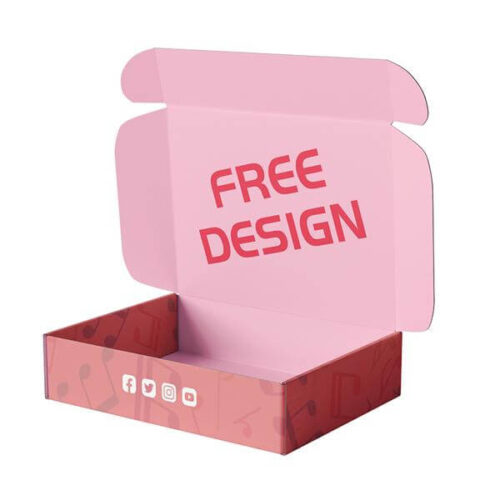
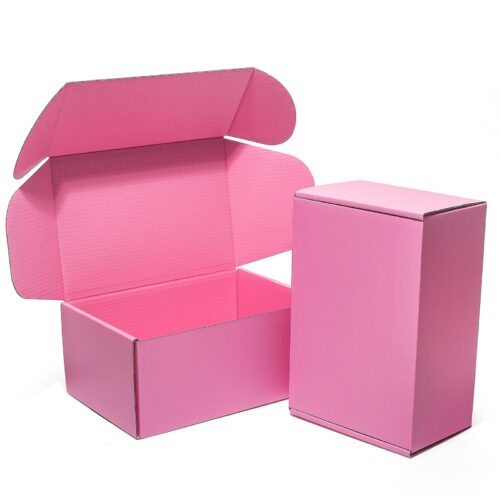
Custom Display Boxes

Custom Display Boxes

Custom Display Boxes is a broad phrase that actually points to two meaningfully different products depending on what you are trying to display. If you are packaging a physical retail product for a counter, floor stand, or shelf, you are most likely looking for cardboard display boxes, custom display boxes cardboard, or custom printed corrugated boxes, built from corrugated or paperboard material and designed to combine shipping protection with point of sale branding. If you are looking to showcase a collectible, trophy, or retail item behind a clear, rigid, reusable surface, you are more likely searching for a custom acrylic display case, custom plexiglass display case, or custom glass display cases. This guide walks through both categories so you order the right product the first time.

Get A Custom Quote

Specifications Details
Dimensions
All custom sizes & shapes
Printing
CMYK, PMS, No Printing
Paper Stock
10pt to 28pt (60lb to 400lb) Eco-Friendly Kraft, E-flute Corrugated, Bux Board, Cardstock
Quantities
50 – 500,000,000
Coating
Gloss, Matte, Spot UV
Default Process
Die Cutting, Gluing, Scoring, Perforation
Options
Custom Window Cut Out, Gold/Silver Foiling, Embossing, Raised Ink, PVC Sheet
Proof
Flat View, 3D Mock-up, Physical Sampling (On request)
Turn around Time
7-10 Business Days

Two Very Different Products Share One Search Term

Few packaging related search terms create as much potential confusion as Custom Display Boxes. Depending on what a shopper is actually trying to accomplish, this exact phrase can point to a folded, printed corrugated carton meant to hold and merchandise dozens of units of a product, or it can point to a rigid, transparent acrylic or glass case meant to protect and showcase a single valuable or collectible item indefinitely.These are not simply two styles of the same product. They come from different manufacturing processes, serve different purposes, and are typically sourced from different types of suppliers entirely. A corrugated packaging manufacturer builds folded, printed cartons through die cutting, printing, and gluing processes. An acrylic or glass display fabricator builds rigid cases through cutting, bending, polishing, and bonding processes that have almost nothing in common with corrugated box production.This guide addresses both directly, rather than blending them into one vague description the way many competing pages do.

Cardboard and Corrugated Display Boxes: The Retail Workhorse

What Cardboard Display Boxes Actually Do

Cardboard display boxes and custom cardboard displays are built from corrugated or paperboard material, designed to hold multiple units of a product while doubling as a branded, shelf ready merchandising tool. Unlike a plain shipping carton, these boxes are engineered to be opened, unfolded, or flipped into a full standing or counter ready display once they reach a retail location.

Counter Display Boxes for Small, High Margin Items

Counter display boxes sit near a checkout register or reception desk, commonly used for small, high margin items like candy, batteries, supplements, or accessories. These typically include a header card for branding and a compartmentalized tray to keep products upright and visible to customers waiting to check out.

Custom Display Boxes Cardboard for Broader Retail Use

Custom display boxes cardboard as a phrase covers the wider range of formats within this category, from small counter units to larger floor and pallet displays used for major promotional pushes or new product launches.

Product Display Boxes as the Functional Description

Product display boxes describes this same category from a purely functional angle, emphasizing that the box’s core job is showing a specific product to its best advantage rather than simply protecting it during transit.

Custom Printed Corrugated Boxes for Full Branding

Custom printed corrugated boxes refers to the finished product after full color printing has been applied, typically including brand logos, product photography, and promotional messaging designed to catch a shopper’s attention within seconds on a crowded shelf.

Acrylic, Plexiglass, and Glass Display Cases: The Rigid, Reusable Alternative

What Sets This Category Apart

A custom acrylic display case, custom acrylic display box, or custom acrylic box is built from cast or extruded acrylic sheet, cut and assembled into a rigid, transparent structure meant to be reused indefinitely rather than opened and discarded like a corrugated shipping carton. This category prioritizes clarity, durability, and a premium, semi permanent presentation over cost efficient, high volume production.

Acrylic, Plexiglass, and Perspex: Regional Naming for the Same Material

Custom plexiglass display case and custom perspex display case both describe the same underlying acrylic material, with the naming difference largely reflecting regional and brand terminology. Plexiglass is a common term in North America, while Perspex is more frequently used in the United Kingdom and parts of Europe, both referring to the same transparent acrylic sheet material used across this display case category.

Custom Acrylic Case and Custom Acrylic Displays as General Terminology

Custom acrylic case and custom acrylic displays are broader phrasings covering the same general product family, used by buyers searching with slightly different word order or terminology depending on their specific background or industry.

Custom Glass Display Cases for Maximum Clarity and Durability

Custom glass display cases use tempered or laminated glass rather than acrylic, typically chosen when maximum optical clarity, scratch resistance, or a higher end material presentation is a priority, often at a higher cost and heavier weight than an equivalent acrylic structure.

Custom Display Cases for Collectibles

Custom display cases for collectibles represent one of the most common real world applications for this entire category, used to showcase items like sports memorabilia, model kits, trading cards, vinyl records, or other valuables where UV protection, dust prevention, and long term visual presentation all matter significantly more than they would for a temporary retail promotion.

General Custom Display Cases Terminology

Custom display cases as a broad phrase covers this entire rigid, transparent category generally, whether the specific material is acrylic, plexiglass, perspex, or glass, and whether the end use is retail merchandising, collectible protection, or trophy and award presentation.

How to Know Which Product You Actually Need

Before requesting quotes, it helps to answer a few basic questions that quickly clarify which category actually fits your situation.
  • Will the display be discarded or reused? If the display is meant for a single promotional cycle and will eventually be broken down and recycled, a corrugated cardboard display boxes solution is almost always the right fit. If the display is meant to be a permanent or long term fixture, a custom acrylic display case or custom glass display cases option is more appropriate.
  • How many units need to be displayed at once? Corrugated displays are built to merchandise multiple units of a product simultaneously, while acrylic and glass cases are more commonly built to showcase a single item or a small, curated set.
  • Does the item need UV or dust protection long term? Collectibles, memorabilia, and valuables generally benefit from the sealed, protective qualities of a custom display cases for collectibles solution rather than an open, folded cardboard structure.
  • What is the realistic budget per unit? Corrugated display packaging is generally far less expensive per unit at volume, while acrylic and glass cases involve a more involved fabrication process and typically cost significantly more per unit, reflecting their durability and reuse value.

Side by Side Comparison: Cardboard Displays vs Acrylic and Glass Cases

FactorCardboard and Corrugated DisplaysAcrylic, Plexiglass, and Glass Cases
Typical lifespanSingle promotional cycle or campaignLong term, often permanent use
MaterialCorrugated board or paperboardCast acrylic, extruded plexiglass, or glass
Common use caseCounter display boxes, product display boxes, retail merchandisingCustom display cases for collectibles, trophy presentation, premium retail fixtures
Cost per unitLower, especially at volumeHigher, reflecting fabrication complexity and reuse
Branding methodFull color printing directly on the materialEtched, printed, or applied branding on a rigid surface

Where Cardboard Display Boxes Excel

Cardboard display boxes consistently perform well for promotional campaigns, new product launches, and everyday retail merchandising where the priority is moving volume, catching shopper attention quickly, and keeping per unit costs low enough to justify producing hundreds or thousands of units. Seasonal promotions, limited time offers, and high frequency retail categories like snacks, beverages, and personal care products are especially well suited to this format.

Where Acrylic and Glass Cases Excel

A custom acrylic display case or custom glass display cases solution excels specifically where an item’s long term presentation, protection, or perceived value matters more than moving high volume quickly. Trophy cases, collectible displays, jewelry counters, and premium retail fixtures intended to remain in place for months or years all benefit from the durability and reusable nature of this category in a way that a folded cardboard structure simply is not built for.

Structural Foundations for Cardboard Displays: Tuck End and Custom Boxes

Tuck End Boxes Within the Display Category

Tuck End Boxes frequently serve as the individual product packaging held within a larger counter display boxes unit, combining a cost efficient, tool free closure for each individual item with the broader display structure’s merchandising function.

Custom Boxes as the Broader Corrugated Category

Custom Boxes serves as the umbrella term covering the full range of corrugated and paperboard packaging discussed in this guide, from individual product cartons through full floor display units, unified by shared material and manufacturing processes distinct from the acrylic and glass case category.

Printing and Production for Corrugated Display Boxes

Producing custom printed corrugated boxes typically follows a structured process.
  1. Structural design, engineering the die line for the specific display format, whether a small counter unit or a larger floor display.
  2. Material selection, choosing flute profile and board weight based on the weight and volume of product the display needs to support.
  3. Printing, applying full color branding through flexographic, offset, or digital methods depending on order volume.
  4. Die cutting and assembly prep, forming the flat shape that will pop up or fold into its final display structure.
  5. Quality proofing, confirming structural stability and color accuracy before full production begins.

Sourcing Considerations for Acrylic and Glass Display Cases

Because custom acrylic display case, custom plexiglass display case, and custom glass display cases products involve a fundamentally different fabrication process than corrugated packaging, sourcing these products typically means working with a specialized acrylic or glass fabricator rather than a corrugated box manufacturer. When evaluating a supplier for this category specifically, it is worth confirming their experience with the exact thickness, edge finishing, and assembly method your project requires, since fabrication quality varies considerably across suppliers in this space.

Ordering Checklist for Custom Display Boxes

If you need corrugated retail packaging:
  1. Confirm the number of units the display needs to hold and how it will be positioned in store.
  2. Choose between counter display boxes for small items or a larger floor display for bigger promotional pushes.
  3. Decide on printing method based on your order volume and campaign timeline.
If you need a rigid acrylic or glass case:
  1. Confirm whether acrylic, plexiglass, or glass best fits your durability, clarity, and budget needs.
  2. Decide whether the case is for retail merchandising or long term collectible protection.
  3. Source from a fabricator with specific experience in the material and finishing method your project requires.

Sustainability and EEAT: Manufacturing Custom Display Boxes Responsibly

For the corrugated side of this category, businesses increasingly expect transparency around packaging materials. Choosing a manufacturer that sources FSC certified paperboard and uses soy or water based inks supports both environmental responsibility and long term brand trust, a priority tracked broadly by organizations like the Sustainable Packaging Coalition.Our production process for cardboard display boxes and custom printed corrugated boxes includes structural prototyping to confirm stability and shelf performance, proof approval before full production, and quality standards informed by general packaging engineering guidance from organizations such as the Institute of Packaging Professionals. Every corrugated display order is reviewed by packaging engineers and print production specialists before it ships. For acrylic and glass display case needs, we recommend working directly with a specialized fabricator experienced in that specific material category.

Frequently Asked Questions

  1. Is custom display boxes the same as custom display cases? Not necessarily. Custom Display Boxes often refers to cardboard or corrugated retail packaging, while custom display cases more frequently describes rigid acrylic, plexiglass, or glass fixtures, though both terms are sometimes used loosely to describe either category.
  2. What is the difference between plexiglass and perspex display cases? A custom plexiglass display case and a custom perspex display case typically use the same underlying acrylic material, with the naming difference mostly reflecting regional terminology, plexiglass being more common in North America and perspex more common in the United Kingdom and parts of Europe.
  3. Should I choose cardboard display boxes or an acrylic display case? Cardboard display boxes are best suited to temporary retail promotions where volume and cost efficiency matter most, while a custom acrylic display case fits better when a display needs to be reused long term or when a single valuable item needs protective, premium presentation.
  4. What are counter display boxes typically used for? Counter display boxes are commonly used for small, high margin retail items like candy, supplements, or accessories, positioned near a checkout counter to encourage impulse purchases.
  5. What makes custom display cases for collectibles different from standard retail display cases? Custom display cases for collectibles typically prioritize UV protection, dust sealing, and long term visual presentation, since the goal is usually preserving and showcasing a valuable item indefinitely rather than merchandising multiple units for sale.
  6. Can custom printed corrugated boxes include a viewing window? Yes. Many custom printed corrugated boxes used for retail display incorporate a die cut window with clear film, allowing customers to see the product directly while still benefiting from the branding on the surrounding printed surface.
  7. Are custom glass display cases better than acrylic for collectibles? Custom glass display cases often offer superior scratch resistance and optical clarity compared to acrylic, though they are typically heavier and more expensive, making the right choice dependent on the specific item’s value, weight tolerance, and display location.
  8. Where should I source a custom acrylic display box versus a cardboard display box? A custom acrylic display box is typically sourced from a specialized acrylic or glass fabricator, while a cardboard display boxes solution comes from a corrugated packaging manufacturer, since the two involve fundamentally different production processes.
  9. How long does it take to produce custom display boxes? For corrugated product display boxes, turnaround typically ranges from about one to two weeks for stock formats to several weeks for fully custom structural designs with proof approval. Acrylic and glass display case timelines vary by fabricator and project complexity, and are best confirmed directly with a specialized supplier in that category.

Choose the Display That Actually Fits Your Product’s Job

The phrase Custom Display Boxes covers more ground than most people realize until they start comparing options directly, and the right choice depends entirely on the job your display actually needs to do. If you are merchandising a retail product for a single promotional cycle, cardboard display boxes, counter display boxes, and custom printed corrugated boxes offer a cost efficient, branding forward solution built for exactly that purpose. If you are preserving and showcasing something meant to last, a custom acrylic display case, custom plexiglass display case, or custom glass display cases solution offers the durability and premium presentation a single valuable item deserves. Knowing which category you actually need is the real first step, not just choosing whichever result appears first in a search.Ready to package or showcase your product with the display solution built specifically for what it needs to do? Request a free design consultation and prototype quote today for our corrugated display packaging, and see how the right Custom Display Boxes solution can be built around your product instead of forced to fit it.

Professional Support

Support throughout the procedure.

Price Friendly

Cost-effective production processes

All At One Station

Exclusive facilities, services, in one place.

Guaranteed Quality

Special concern towards quality.

Need a Sample?

No problem! We can make you a single custom box with your design and dimensions.