Custom Cardboard CD Jackets

Custom Cardboard CD Jackets

Custom cardboard CD jackets are album packaging solutions built from durable paperboard instead of plastic, giving musicians, record labels, and independent artists a lightweight, printable, and eco conscious way to package a disc. Designed with a fold, sleeve, or tuck style closure, these jackets protect the disc while turning the outer surface into a full canvas for cover art, liner notes, and brand identity. Whether you are releasing a debut EP, a limited run vinyl companion CD, or a full label catalog reissue, custom cardboard CD jackets offer an affordable, distinctive alternative to standard jewel cases without sacrificing durability or shelf presence.

Get A Custom Quote

Specifications Details
Dimensions
All custom sizes & shapes
Printing
CMYK, PMS, No Printing
Paper Stock
10pt to 28pt (60lb to 400lb) Eco-Friendly Kraft, E-flute Corrugated, Bux Board, Cardstock
Quantities
50 – 500,000,000
Coating
Gloss, Matte, Spot UV
Default Process
Die Cutting, Gluing, Scoring, Perforation
Options
Custom Window Cut Out, Gold/Silver Foiling, Embossing, Raised Ink, PVC Sheet
Proof
Flat View, 3D Mock-up, Physical Sampling (On request)
Turn around Time
7-10 Business Days

What Are Custom Cardboard CD Jackets?

Custom cardboard CD jackets are printed paperboard sleeves or folders designed to hold a compact disc in place of a rigid plastic jewel case. Instead of a hinged plastic shell, a cardboard jacket typically uses a folded panel structure, an internal pocket, or a die cut hub that grips the disc’s center hole, all while presenting a fully printable outer surface for cover artwork, track listings, and credits.This packaging style has become especially popular in the music industry for several practical and creative reasons:
  • It is significantly lighter than a plastic jewel case, reducing shipping costs for mail order and online store fulfillment.
  • It offers a larger, uninterrupted print surface for cover art, closer in feel to classic vinyl album packaging than a small plastic case.
  • It is more sustainable, since paperboard is widely recyclable and avoids the plastic waste associated with jewel cases.
  • It allows independent artists and small labels to produce short runs affordably, without the tooling costs sometimes associated with rigid case manufacturing.
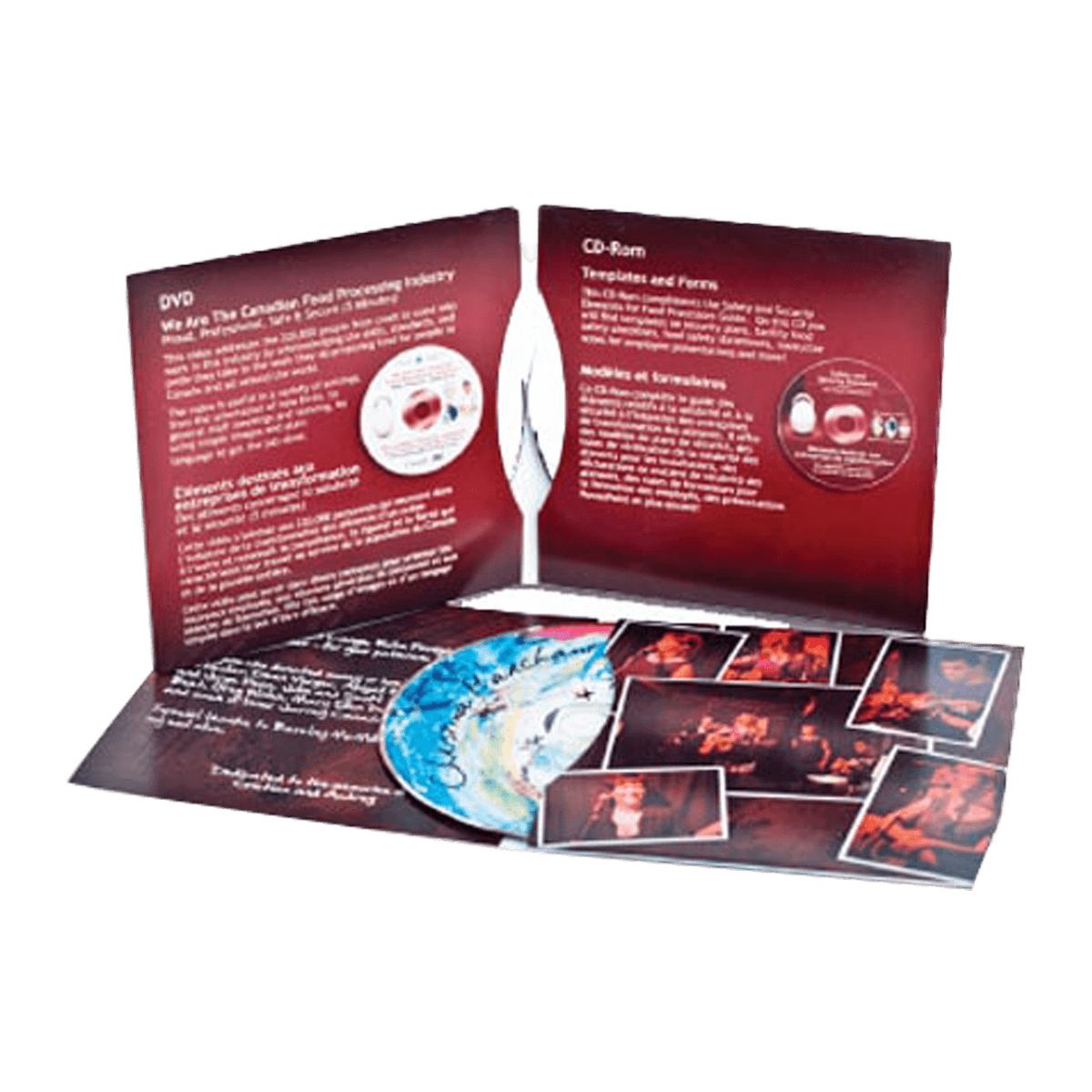
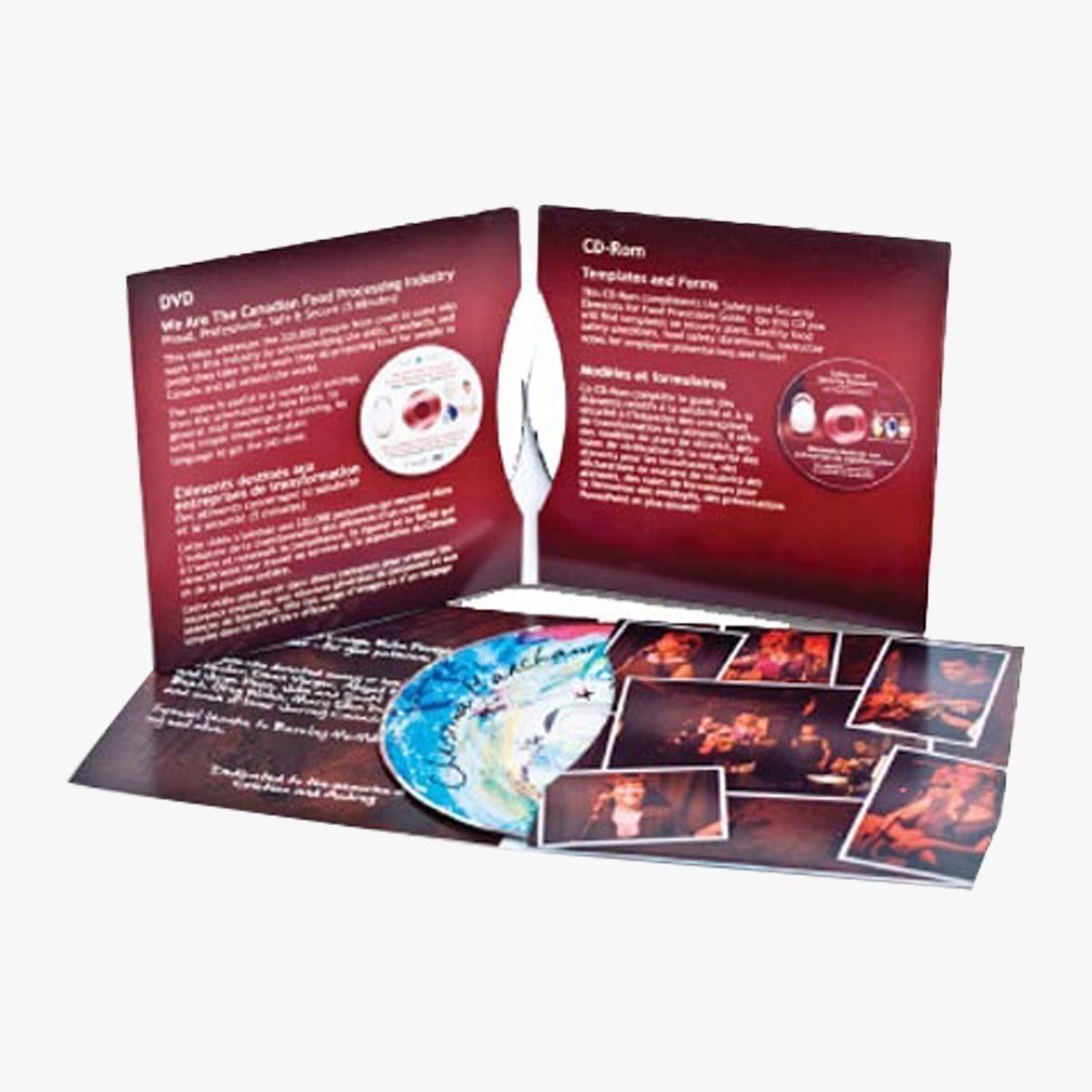
A custom cardboard CD jacket can take several structural forms, including a simple single pocket sleeve, a gatefold style jacket that opens like a small book, or a tray insert jacket with a molded cardboard hub that holds the disc securely during shipping and handling.

Why Musicians and Labels Choose Cardboard Jackets Over Plastic Cases

Packaging choice has long played a role in how physical music releases are perceived, and paperboard formats have historically been associated with a more artisanal, collectible feel, particularly for vinyl style reissues and limited edition runs. Industry guidance from organizations like the Institute of Packaging Professionals points to material choice and tactile design as meaningful factors in how consumers perceive a product’s value and craftsmanship, a dynamic that applies directly to how fans perceive a physical album release.Here is why custom cardboard CD jackets are gaining ground over traditional jewel cases:
  • Lower shipping weight, which reduces postage costs for direct to fan sales and online store fulfillment.
  • Larger, more expressive print surface, giving cover art the kind of visual presence usually reserved for vinyl packaging.
  • Reduced plastic waste, aligning with sustainability expectations tracked by organizations such as the Sustainable Packaging Coalition.
  • Lower cost for short runs, making cardboard jackets a practical choice for independent artists, limited pressings, and promotional giveaways.
  • Distinctive shelf presence, since a cardboard jacket stands out visually next to a wall of standard plastic cases in a record store or merch table display.

Structural Styles of Custom Cardboard CD Jackets

1. Single Pocket Sleeve Jackets

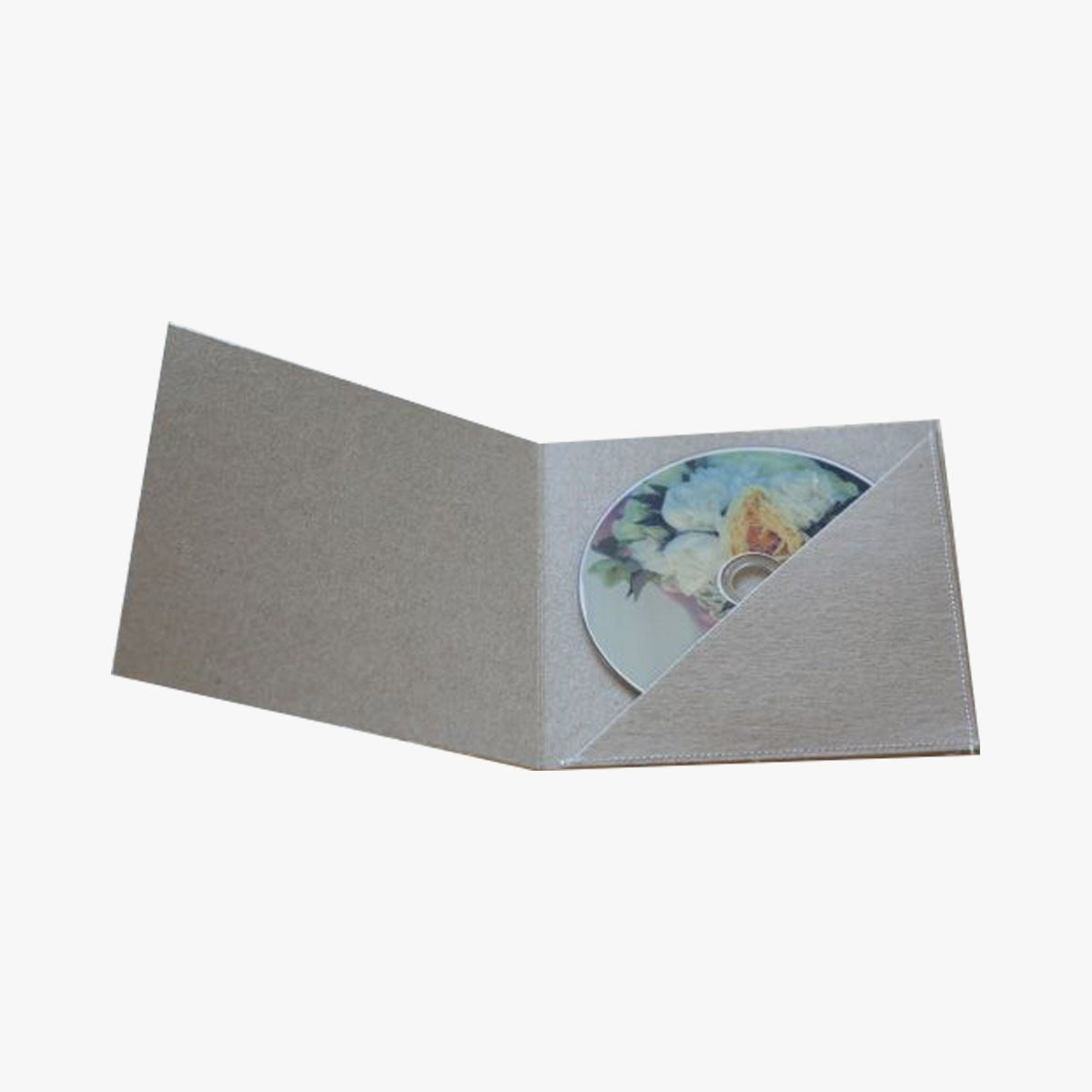
The simplest and most cost effective format, a single pocket sleeve holds the disc in an internal pocket without a separate tray. This style is popular for singles, promotional copies, and budget conscious releases where minimal material use keeps per unit costs low.

2. Gatefold Style Jackets

A gatefold jacket opens like a small book, offering two or more interior panels for liner notes, lyrics, or additional artwork. This format is often chosen by artists who want their CD packaging to echo the collectible feel of vinyl gatefold sleeves, giving fans a more immersive physical package.

3. Tray Insert Jackets with Molded Hub

For labels prioritizing disc protection during shipping, a tray insert style custom cardboard CD jacket includes a die cut or molded cardboard hub that clicks over the disc’s center hole, holding it securely in place and reducing the risk of scratching during transit.

4. Digipak Style Jackets

Digipak style packaging combines a cardboard outer shell with a plastic tray insert glued into one interior panel. While this style uses more material than a pure paperboard jacket, it remains a popular middle ground between full plastic jewel cases and fully cardboard construction, since it retains some of the disc security of a tray while still offering a larger printable surface than a standard jewel case.

5. Tuck End Boxes and Custom Boxes for CD Packaging and Shipping

Beyond the disc jacket itself, many labels and artists also need supporting packaging for retail distribution or direct to fan shipping. Tuck End Boxes are frequently used for bundling multiple CD jackets together for wholesale or box set releases, while broader Custom Boxes formats are commonly used as outer shipping packaging to protect jackets from bending or crushing in transit. Pairing a custom cardboard CD jacket with the right supporting Custom Boxes or Tuck End Boxes ensures the entire release arrives to a fan or retailer in the same condition it left production.

Design Considerations for Custom Cardboard CD Jackets

Printing and structural design determine how well a cardboard jacket balances cost, durability, and visual impact. Common approaches include:
  • Offset printing on coated stock, favored for high resolution cover art with rich color depth, ideal for full color album artwork.
  • Matte or soft touch lamination, which gives a premium, tactile finish popular with independent and boutique label releases.
  • Spot UV or foil accents, used selectively on titles or logos to add a premium highlight without the cost of fully foiling an entire cover.
  • Kraft or uncoated stock, chosen by artists leaning into a raw, lo fi, or environmentally conscious aesthetic that pairs naturally with acoustic, folk, or DIY genres.
A strong custom cardboard CD jacket design typically includes:
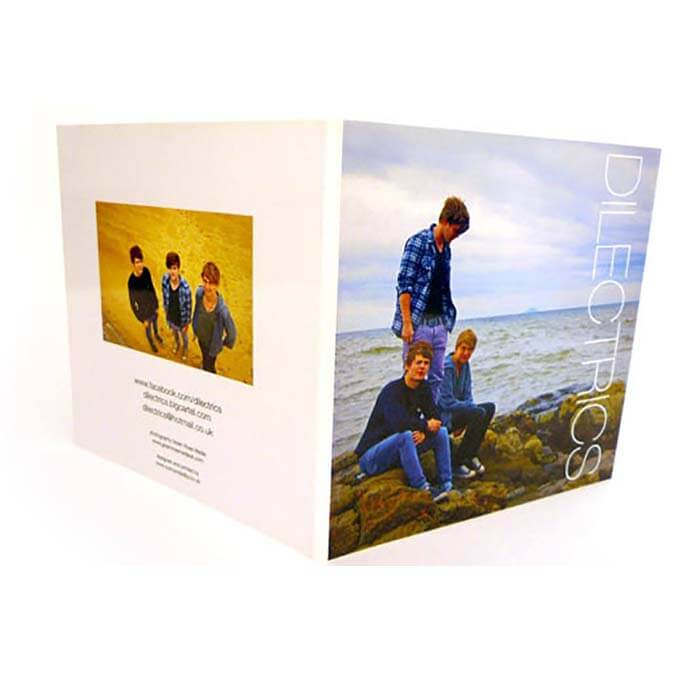
  • A cover image sized and bled correctly to the jacket’s exact panel dimensions, since even small misalignment is highly visible on a folded paperboard structure
  • Spine text that remains legible when the jacket is stored upright in a shelf or rack alongside other releases
  • A secure disc retention method, whether a pocket, molded hub, or tray insert, chosen based on how the release will primarily be distributed and handled
  • Clear, well organized back panel information, including track listing, credits, and any barcode or catalog number required for retail distribution

Materials and Structural Options for CD Jacket Packaging

Choosing the right board weight and finish affects both durability and how the jacket feels in a fan’s hands. Common options include:
StyleBest ForKey Benefit
Single Pocket SleeveSingles, promo copies, budget releasesLowest material cost, fast turnaround
Gatefold JacketFull length albums, collector editionsExtra panel space for lyrics and artwork
Tray Insert JacketWholesale and retail distributionImproved disc security during shipping
Digipak StylePremium releases wanting tray security with a printable shellBalance of protection and print surface
Board weight, coating type, and disc retention method all influence how well a custom cardboard CD jacket performs from the moment it leaves production through years of handling on a fan’s shelf.

How to Choose the Right Custom Cardboard CD Jackets for Your Release

When evaluating a supplier or preparing a quote request, consider the following.
  1. Distribution method, since a jacket sold primarily online direct to fans has different shipping durability needs than one sold in a physical record store.
  2. Structural style, choosing a simple sleeve for cost efficiency or a gatefold or tray insert jacket for a more premium, collectible presentation.
  3. Order volume, since larger pressing runs typically unlock better per unit pricing on custom cardboard CD jackets.
  4. Finish level, weighing standard matte or gloss lamination against spot UV or foil accents for a limited edition release.
  5. Supporting packaging needs, considering whether Tuck End Boxes for bundled sets or outer Custom Boxes for shipping protection are needed alongside the jacket itself.
  6. Turnaround time, especially important for release dates tied to tour schedules, album anniversaries, or pre order shipping deadlines.

Sustainability and EEAT: Why Responsible CD Jacket Production Matters

Independent artists and labels increasingly value packaging choices that reflect their environmental priorities, particularly as fans pay closer attention to the materials behind physical music releases. Choosing a manufacturer that sources FSC certified paperboard and uses soy or water based inks supports both environmental responsibility and a release’s broader brand story, especially for artists whose audience values sustainability as part of their identity.Our production process for custom cardboard CD jackets includes structural prototyping to confirm fold accuracy and disc retention, color proofing against supplied artwork files, and a final approval stage before full production begins, ensuring every Custom Boxes or jacket order matches the artist’s or label’s exact creative vision before it ships. This process is overseen by packaging engineers and print production specialists experienced in music industry packaging standards.

Frequently Asked Questions

  1. What are custom cardboard CD jackets used for? Custom cardboard CD jackets hold and protect a compact disc while providing a large, fully printable surface for cover art, track listings, and credits, offering an alternative to standard plastic jewel cases.
  2. Are custom cardboard CD jackets as durable as plastic jewel cases? With the right board weight and disc retention method, such as a molded hub or tray insert, a custom cardboard CD jacket can offer strong protection, though it is generally best paired with proper outer shipping packaging like Custom Boxes for long distance transit.
  3. What is the difference between a single pocket sleeve and a gatefold jacket? A single pocket sleeve is a simpler, lower cost format with one internal pocket for the disc, while a gatefold jacket opens like a small book with multiple interior panels, offering more space for lyrics, artwork, or liner notes.
  4. Can I order a small batch of custom cardboard CD jackets for an independent release? Yes. Many suppliers offer low minimum order options suited to independent artists and small label runs, with per unit costs typically decreasing at higher volumes.
  5. Do I need Tuck End Boxes for a CD box set release? Tuck End Boxes are commonly used to bundle multiple custom cardboard CD jackets together for box sets, wholesale distribution, or multi disc releases, keeping the set organized and protected as a single unit.
  6. Is cardboard CD packaging more environmentally friendly than plastic jewel cases? Generally, yes. Cardboard is widely recyclable, and choosing FSC certified paperboard along with soy or water based inks further reduces the environmental footprint compared to standard plastic jewel case packaging.
  7. What finish options are available for custom cardboard CD jackets? Common finishes include matte or gloss lamination, spot UV highlights, foil stamping for premium accents, and uncoated kraft stock for a raw, natural aesthetic.
  8. How long does it take to produce custom cardboard CD jackets? Turnaround depends on structural complexity and finish level, but standard production timelines typically range from about one to two weeks for simple sleeve styles to several weeks for gatefold or foil stamped designs with proof approval.
  9. What kind of outer packaging should I use for shipping CD jackets to fans or retailers? Many artists and labels pair custom cardboard CD jackets with protective Custom Boxes for shipping, which helps prevent bending, crushing, or corner damage during transit to online buyers or retail accounts.

Conclusion: Package Your Music the Way It Deserves to Be Heard

An album is more than the tracks on a disc, it is a physical object fans hold, display, and remember, which means the packaging around it matters just as much as the music inside. Custom cardboard CD jackets give artists and labels a lighter, more expressive, and more sustainable way to package a release, whether that means a simple single pocket sleeve for a debut single, a gatefold jacket for a full length collector’s edition, or a tray insert design built for wholesale distribution. Paired with Tuck End Boxes for box sets or protective Custom Boxes for shipping, a well designed cardboard jacket ensures your release arrives exactly as intended, from the pressing plant to a fan’s hands.Ready to give your next release packaging as memorable as the music itself? Request a free design consultation and prototype quote today, and see how custom cardboard CD jackets can turn a simple disc into a collectible fans want to keep.

Professional Support

Support throughout the procedure.

Price Friendly

Cost-effective production processes

All At One Station

Exclusive facilities, services, in one place.

Guaranteed Quality

Special concern towards quality.

Need a Sample?

No problem! We can make you a single custom box with your design and dimensions.