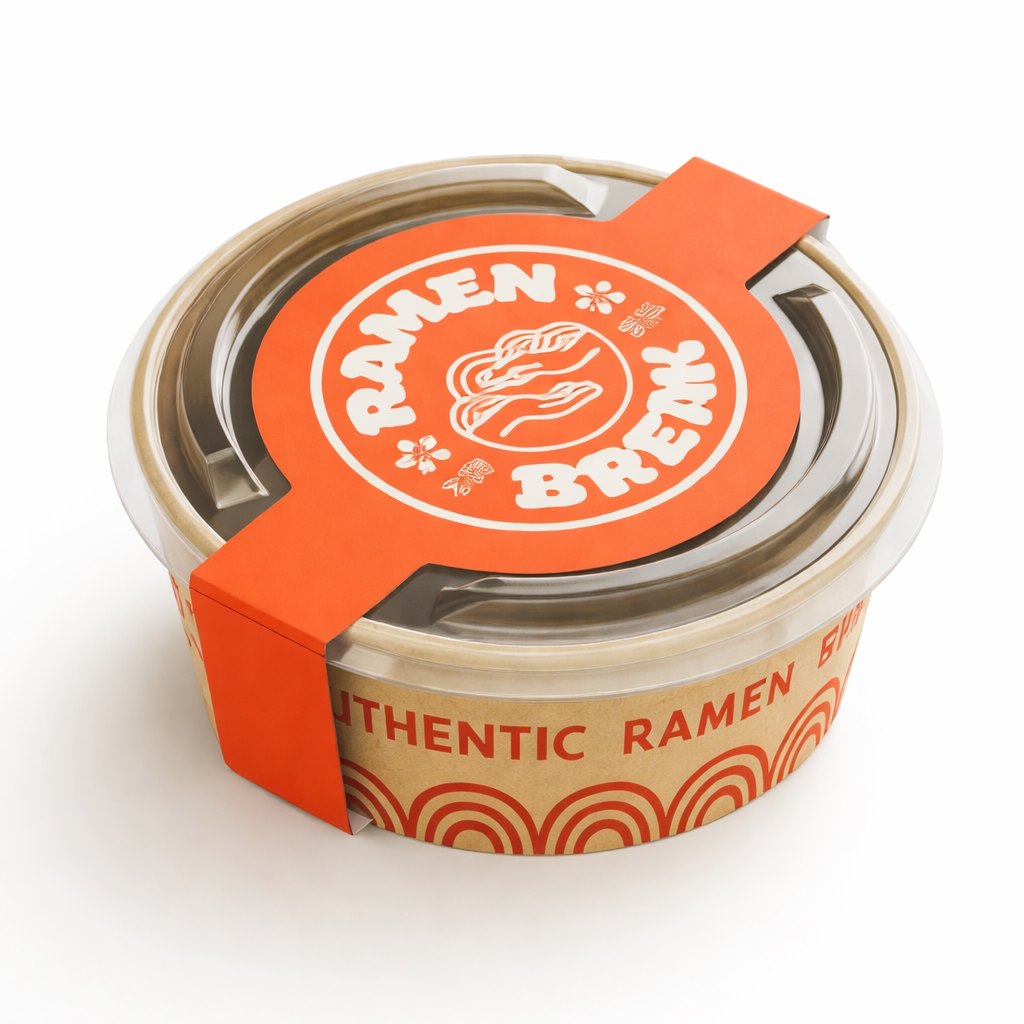
Custom Bowl Sleeve

Custom Bowl Sleeve

Custom Bowl Sleeve packaging solves a genuine, everyday problem in food service, a hot bowl that burns or uncomfortably warms a customer’s hands the moment they pick it up, particularly common with takeout and delivery orders where the bowl has no other protective packaging around it. Built from corrugated cardboard and finished with full color printing, these sleeves range from simple Printed Bowl Sleeve Boxes for a single menu item to full Custom Printed Cardboard Bowl Sleeves production for an entire restaurant brand. Whether you need Custom Bowl Sleeve Boxes for ramen, poke, or soup service, or want Custom Printed Bowl Sleeve Wholesale With Logo for consistent branding across every order, this guide explains exactly how this format protects hands and reinforces your brand at the same time.

Get A Custom Quote

Specifications Details
Dimensions
All custom sizes & shapes
Printing
CMYK, PMS, No Printing
Paper Stock
10pt to 28pt (60lb to 400lb) Eco-Friendly Kraft, E-flute Corrugated, Bux Board, Cardstock
Quantities
50 – 500,000,000
Coating
Gloss, Matte, Spot UV
Default Process
Die Cutting, Gluing, Scoring, Perforation
Options
Custom Window Cut Out, Gold/Silver Foiling, Embossing, Raised Ink, PVC Sheet
Proof
Flat View, 3D Mock-up, Physical Sampling (On request)
Turn around Time
7-10 Business Days

The Problem Every Hot Bowl Creates

A bowl of hot soup, ramen, or a freshly prepared rice bowl creates a problem the moment it leaves the kitchen, the exterior surface of the bowl itself heats up right alongside the food inside it, and a customer picking that bowl up bare handed, particularly during a delivery or takeout pickup where no server is there to warn them, can genuinely burn or uncomfortably scald their hands within seconds of contact.Custom Bowl Sleeve packaging exists specifically to solve this problem, wrapping around the bowl’s exterior to create a physical barrier and insulating air gap between the hot surface and the customer’s hands, the same basic thermal principle behind the corrugated sleeve wrapped around a hot coffee cup, simply adapted to the wider, often differently shaped profile of a food bowl.

How a Bowl Sleeve Solves It

The Insulation Principle Behind Corrugated Material

Corrugated cardboard’s fluted internal structure creates small air pockets between its layers, and air is a genuinely poor conductor of heat compared to the ceramic, plastic, or paper the bowl itself is typically made from. A Bowl Sleeve Packaging solution wrapped around the bowl’s exterior takes advantage of this same principle, creating a thin but genuinely effective thermal barrier between the hot surface and a customer’s palm.

Wrap-Around Versus Full Coverage Design

Some bowl sleeves wrap only partially around the bowl’s circumference, covering the main contact points where a hand naturally grips the exterior, while others extend fully around the entire bowl for maximum coverage and a more complete branding surface. The right choice depends on the specific bowl shape, typical serving temperature, and how much of the sleeve’s surface a brand wants dedicated to visible messaging.

Bowl Sleeve Design and Structure

Bowl Sleeve Design and structure decisions center almost entirely around achieving a secure, properly fitted wrap for the specific bowl shape being used, since a sleeve that fits too loosely can slip or shift during handling, while one that fits too tightly can be difficult to slide onto the bowl in the first place, particularly during a busy service rush.

Fit Engineering for Different Bowl Shapes

Bowls used across different cuisines and menu items vary meaningfully in their taper, diameter, and overall profile, meaning a Custom Bowl Sleeve engineered around one specific bowl shape may not fit correctly around a differently shaped bowl even if both hold similar volumes of food. Confirming exact bowl dimensions before finalizing sleeve design is a critical first step that many first time orders overlook.

Single Wrap Versus Die Cut Form-Fit Construction

A simpler single wrap design uses a straightforward rectangular or slightly tapered piece that overlaps and secures around the bowl, while a more precisely engineered die cut form fit sleeve is shaped specifically to match the bowl’s exact taper and curvature, offering a cleaner, more tailored appearance at a somewhat higher production complexity.

Custom Bowl Sleeve Boxes vs Printed Bowl Sleeve Boxes: Format and Terminology

Custom Bowl Sleeve Boxes and Printed Bowl Sleeve Boxes both describe the same general finished product category, a sleeve engineered around a specific bowl shape and finished with printed branding, with the terminology difference simply reflecting whether a buyer is emphasizing the customization process or the finished printed result when searching for this product.

Materials: Custom Printed Cardboard Bowl Sleeves and Why Corrugated Works Best

Custom Printed Cardboard Bowl Sleeves almost universally use corrugated stock specifically because of the fluted air gap structure discussed earlier, which delivers meaningfully better heat insulation than a flat, single layer paperboard alternative.Here is a longer point worth understanding fully, since it explains why this material choice matters more than it might first appear for anyone tempted to use a cheaper, flat material instead. A flat, uncoated paperboard wrap can certainly provide some minor thermal buffer simply by adding a layer of material between the hand and the hot bowl surface, but it lacks the trapped air pockets that genuinely slow heat transfer the way corrugated fluting does, meaning a flat material sleeve may still feel noticeably warm to genuinely uncomfortable within seconds of contact with a very hot bowl, while a properly fluted corrugated sleeve maintains a comfortable exterior temperature significantly longer, which is precisely the functional difference that determines whether a customer’s actual real world experience with your packaging feels genuinely protective or merely decorative.

Branding Your Bowl Sleeve

Logo Placement on a Curved, Wrapped Surface

Because a bowl sleeve wraps around a curved surface rather than sitting flat, logo and text placement needs to account for how the design will actually read once wrapped into its final position, prioritizing the sleeve’s most visible, forward facing panel for primary branding rather than assuming a flat design will translate perfectly once curved around the bowl.

Custom Printed Bowl Sleeve Wholesale With Logo for Consistent Brand Presence

Custom Printed Bowl Sleeve Wholesale With Logo production ensures every bowl leaving your kitchen carries consistent, recognizable branding, an especially valuable touchpoint for delivery orders where the sleeve may be one of the only physical brand impressions a customer receives beyond the food itself.

Where These Show Up

Custom Bowl Sleeve packaging appears across a range of food service categories where hot, or sometimes very cold, bowls are served directly to customers without additional protective packaging.
  • Ramen and noodle shops, where broth filled bowls run notably hot and are frequently ordered for delivery or takeout.
  • Poke and rice bowl restaurants, where warm rice bases can heat the bowl’s exterior even when other ingredients are served cold.
  • Soup and broth delivery services, where the entire product is built around a hot liquid base needing genuine hand protection.
  • Ice cream and frozen treat bowls, where the same insulating principle works in reverse, protecting hands from an uncomfortably cold exterior rather than a hot one.

Structural Foundations: Tuck End and Custom Boxes

While a Custom Bowl Sleeve is a distinct format defined by its wrap around fit rather than a folding carton closure, many restaurants pair bowl sleeves with other packaging built on standard Tuck End Boxes principles for side items, utensil kits, or combo meal packaging shipped alongside the main bowl. Custom Boxes serves as the broader umbrella term covering the full range of food service packaging a restaurant or delivery brand might need alongside bowl sleeves specifically.

Materials and Structural Comparison

FeatureCorrugated Bowl SleeveFlat Paperboard Wrap
Heat insulationStrong, due to fluted air gap structureMinimal, limited to added material thickness alone
Best suited forGenuinely hot bowls, soup, ramen, hot rice bowlsMild warmth or primarily branding focused applications
Fit optionsSingle wrap or precisely die cut form fitTypically single wrap only
Branding surfaceFull color printable exteriorFull color printable exterior

How Custom Bowl Sleeves Are Manufactured

  1. Bowl dimension confirmation, measuring the specific bowl’s taper, diameter, and height to ensure a properly fitted sleeve.
  2. Fit style selection, choosing between a simpler single wrap design or a precisely die cut form fit sleeve.
  3. Material selection, choosing corrugated flute profile appropriate to the bowl’s typical serving temperature.
  4. Printing, applying brand artwork through flexographic or digital printing depending on order volume, with careful attention to how the design reads once wrapped.
  5. Die cutting and forming, cutting the flat blank to the precise shape needed for a secure, properly fitted wrap.
  6. Quality testing, confirming the sleeve fits securely around an actual bowl sample and provides genuine thermal protection before a full production run begins.

Custom Bowl Sleeve Wholesale: Production at Scale

Custom Bowl Sleeve Wholesale production becomes relevant once a restaurant or delivery brand moves beyond a single location into consistent, ongoing supply across multiple locations or a franchise system. At this scale, maintaining consistent fit and print quality across every unit matters significantly, since inconsistent sleeve sizing can mean a sleeve that fits perfectly at one location and slips or fails to close properly at another using a slightly different bowl supplier.

Ordering Checklist for Custom Bowl Sleeves

  1. Measure your actual bowl dimensions precisely, including taper and diameter, before finalizing sleeve design.
  2. Decide between single wrap and die cut form fit construction, weighing cost against a more tailored appearance.
  3. Confirm your typical serving temperature, ensuring corrugated flute selection provides adequate insulation for your specific menu items.
  4. Plan logo placement carefully, accounting for how your design will read once wrapped around the bowl’s curved surface.
  5. Request a physical sample, testing actual fit and thermal performance with your real bowls before committing to full production.
  6. Request volume specific quotes if planning Custom Bowl Sleeve Wholesale production across multiple locations.

Sustainability and EEAT: Manufacturing Custom Bowl Sleeves Responsibly

Restaurant and food delivery customers increasingly expect transparency around packaging materials, particularly for single use formats like bowl sleeves. Choosing a manufacturer that sources FSC certified paperboard and uses food safe, soy or water based inks supports both environmental responsibility and safe food service handling, a priority tracked broadly by organizations like the Sustainable Packaging Coalition.Our production process for Custom Bowl Sleeve packaging includes structural prototyping to confirm fit and thermal performance against actual bowl samples, proof approval before full production, and quality checks aligned with general food packaging best practices described by organizations such as the Institute of Packaging Professionals. Every order is reviewed by packaging engineers and print production specialists before it ships.

Frequently Asked Questions

  1. What is a custom bowl sleeve used for? A Custom Bowl Sleeve wraps around a hot or cold food bowl’s exterior, insulating a customer’s hands from uncomfortable temperature transfer while also providing a branded surface for restaurant or delivery messaging.
  2. Why does a bowl sleeve need to be corrugated rather than flat cardboard? Corrugated material’s fluted internal structure creates air pockets that meaningfully slow heat transfer, while a flat, single layer material provides only minimal insulation from added thickness alone.
  3. What is the difference between a single wrap and a die cut form fit bowl sleeve? A single wrap design uses a simpler rectangular or lightly tapered piece that overlaps around the bowl, while a die cut form fit sleeve is precisely shaped to match the bowl’s exact curvature for a cleaner, more tailored fit.
  4. How do I make sure my custom bowl sleeve fits my specific bowls correctly? Measuring your exact bowl dimensions, including taper, diameter, and height, before finalizing sleeve design is essential, since bowls vary meaningfully in shape even when holding similar food volumes.
  5. Can bowl sleeves be used for cold items as well as hot ones? Yes. The same insulating principle works in reverse for very cold bowls, such as ice cream or frozen treat servings, protecting hands from uncomfortable cold rather than heat.
  6. What is the difference between custom bowl sleeve boxes and printed bowl sleeve boxes? These terms generally describe the same finished product, simply reflecting whether a buyer is emphasizing the customization process or the finished printed result when searching.
  7. How should I plan logo placement for a bowl sleeve? Since the sleeve wraps around a curved surface, logo and text placement should prioritize the most visible, forward facing panel, accounting for how the design will actually read once wrapped rather than assuming a flat layout translates directly.
  8. Can I order custom bowl sleeves wholesale for multiple restaurant locations? Yes. Custom Bowl Sleeve Wholesale production supports consistent fit and branding across multiple locations, though confirming bowl dimensions are standardized across all locations helps maintain consistent sleeve fit.
  9. How long does it take to produce custom bowl sleeves? Turnaround depends on fit style and order volume, but standard production timelines typically range from about one to two weeks for a simple single wrap design to several weeks for a fully custom die cut form fit sleeve with proof approval.

Protect the Hands, Reinforce the Brand, in One Wrapf

A hot bowl of ramen or a fresh, warm rice bowl should feel like a treat to pick up, not a small burn risk, and that is exactly the quiet, practical job a Custom Bowl Sleeve does every time a customer lifts one from a delivery bag or takeout counter. Built on the same fluted air gap insulation principle that makes a coffee cup sleeve work, but shaped and sized specifically for the wider, often differently tapered profile of a food bowl, this format solves a genuine comfort problem while giving your restaurant or delivery brand a branded surface that reaches every customer, every single order. Whether you need Custom Bowl Sleeve Boxes for a single signature dish or full Custom Printed Bowl Sleeve Wholesale With Logo production across every location, getting the fit and material right means your customers remember the food, not an uncomfortable moment picking it up.Ready to give your hot bowls the protection and branding they actually deserve? Request a free design consultation and prototype quote today, and see how a properly engineered Custom Bowl Sleeve can keep hands comfortable and your brand visible on every single order.

Professional Support

Support throughout the procedure.

Price Friendly

Cost-effective production processes

All At One Station

Exclusive facilities, services, in one place.

Guaranteed Quality

Special concern towards quality.

Need a Sample?

No problem! We can make you a single custom box with your design and dimensions.